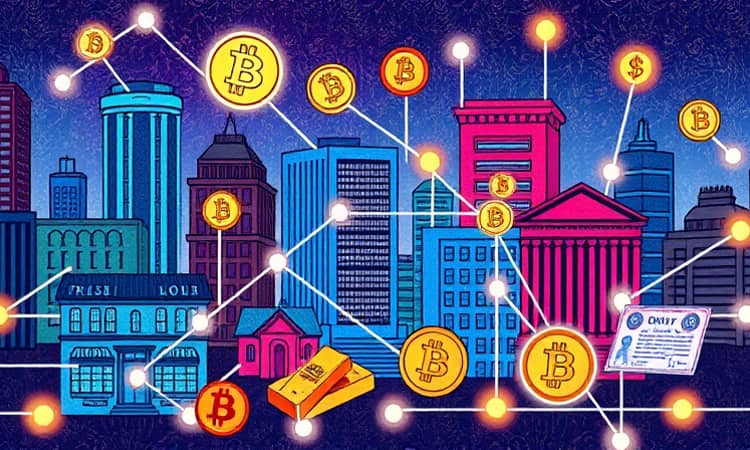
In a rapidly evolving financial landscape, a groundbreaking innovation is reshaping how we perceive and interact with value. Tokenization is unlocking new possibilities by transforming tangible and intangible assets into programmable digital tokens on a distributed ledger. This shift not only redefines ownership but also paves the way for unprecedented liquidity, transparency, and global reach. From real estate holdings to art collections and debt instruments, tokenization is fueling a revolution that bridges traditional finance and cutting-edge blockchain technology.
By leveraging smart contracts automate rules and enforce asset rights seamlessly, tokenization streamlines complex processes and reduces manual intervention. This innovation is more than a technological novelty; it is a strategic framework that reimagines asset issuance, custody, trading, and servicing. As regulators and market participants adapt to this paradigm, the tokenization journey is accelerating from pilot programs to mainstream adoption, heralding a new era of financial inclusion and operational efficiency worldwide.
Core Definition and Tokenization Process
Tokenization converts real-world assets into digital tokens that reside on a blockchain, enabling easier trading, liquidity and democratized ownership. The process typically begins with asset sourcing, where issuers evaluate regulatory treatment—determining whether assets qualify as securities, commodities, or other classifications. Next, digital-asset issuance and custody involves transferring physical items to secure facilities and generating tokens through programmable contracts. These tokens encapsulate ownership claims, income rights, and governance provisions, all codified in immutable blockchain records ensure transparency.
Once tokens are minted, they enter distribution channels via digital wallets and licensed trading platforms. Secondary trading brings greater price discovery and market depth, backed by automated settlement that reduces counterparty risk and accelerates fund transfers. Finally, asset servicing mechanisms handle ongoing compliance, reporting, and reconciliation. Through these stages, investors benefit from cross-border investment opportunities for all, streamlined operations, and real-time auditability of asset transfers and income distributions.
Types of Tokenized Assets
The spectrum of tokenizable assets is vast and growing, offering investors access to markets once reserved for large institutions.
From tangible commodities to financial instruments and unique collectibles, tokenization redefines how value flows and is preserved across global networks. Below is a representative overview of key categories currently under transformation:
Common Tokenization Models
Various structural approaches have emerged to facilitate asset tokenization, each tailored to different regulatory and operational needs. Below are prominent models gaining traction in 2026 and beyond:
- Tokenized Special Purpose Vehicles (SPVs): An SPV holds underlying assets while tokens represent fractional ownership with legal clarity.
- Tokenized Funds: Units or shares in regulated investment vehicles are issued on-chain, expanding access to private strategies.
- Tokenized Debt Instruments: Bonds, loans, and notes become programmable tokens that automate interest payments and redemptions.
- Direct On-Chain Ownership: Native tokens serve as authoritative records of ownership, potentially reducing reliance on intermediaries.
Market Growth and Future Trends
The pace of tokenization accelerated significantly between 2020 and 2026, transitioning from experimental pilots to integral components of financial markets. Industry analysts project a tokenized market capitalization approaching $2 trillion by 2030, excluding native cryptocurrencies and stablecoins. This surge is driven by increasing demand for programmable assets and institutional endorsement of digital ledgers.
Leading asset managers and financial institutions are setting tokenization as a default strategy for primary issuance, secondary trading, and asset servicing. Notable developments include the rise of regulated transfer agents for tokenized equity and the integration of on-chain corporate actions.
BlackRock’s advocacy and other institutional initiatives illustrate a growing consensus: tokenized equity will standardize with regulated controls, while stablecoins and tokenized cash equivalents continue to lead adoption curves. By 2026, asset managers anticipate using programmable distribution and compliance features as core components of portfolio construction, settlement, and client reporting.
Furthermore, the proliferation of standardized token standards and interoperability protocols is reducing fragmentation. Emerging initiatives aim to harmonize legal frameworks and technical specifications, making it easier for developers and issuers to deploy tokens across multiple blockchains. Industry consortia are collaborating to establish global best practices that support seamless cross-chain transactions and auditability.
Benefits of Tokenization
Tokenization offers a multitude of advantages that appeal to investors, issuers, and regulators alike. Key benefits include enhanced liquidity, broader access, operational efficiencies, and heightened transparency.
Liquidity & Access: Fractional ownership through tokenization lowers entry barriers and empowers retail and institutional participants to engage with previously illiquid markets. Investors can hold slices of prime real estate or high-value collectibles, diversifying portfolios with democratized global asset exposure.
Operational Efficiency: Smart contracts automate income distributions, such as dividends or coupon payments, reducing manual workloads and settlement times. The result is a streamlined workflow with fewer intermediaries, cost savings, and more predictable operational outcomes.
Transparency & Security: Blockchain’s immutable ledger provides tamper-evident audit trails that enhance trust. Each token transfer is recorded with precise timestamps, offering regulators and stakeholders comprehensive visibility into asset provenance and ownership changes.
Challenges and Risk Management
Despite its promise, tokenization introduces a new set of challenges that market participants must navigate carefully. Key risks include regulatory uncertainty, operational vulnerabilities, and legal complexities surrounding token wrappers.
- Regulatory Compliance: Varying jurisdictional rules require issuers to secure licenses and ensure that tokens meet securities law requirements. Ongoing classification debates can delay projects and increase compliance costs.
- Operational Risks: Managing private keys, guarding against cyber threats, and selecting reliable custodians are critical steps to protect digital assets from theft or loss.
- Legal Structuring: Token wrappers must clearly define asset rights, risk allocations, and enforcement mechanisms, adapting structures to asset classes such as real estate or debt instruments.
- Market Adoption: While institutional interest grows, achieving widespread acceptance among retail investors and legacy infrastructure providers remains an ongoing effort.
Key Players and Platforms
A vibrant ecosystem of institutions, technology firms, and platforms is shaping the future of tokenized assets. These participants drive innovation, set standards, and enhance market connectivity.
Leading organizations include asset managers such as BlackRock and State Street, who actively explore tokenization for traditional securities and funds. Specialized platforms like Centrifuge and Ondo Finance deliver regulated token issuance and custody solutions, while real estate-focused marketplaces such as InvestaX and Spydra enable fractional property investments.
Other notable contributors include blockchain infrastructure providers, legal counsel specializing in digital asset regulations, and audit firms ensuring robust third-party validation processes of asset reserves and smart contract code integrity.
As we move further into the tokenized future, collaboration across technology vendors, financial institutions, and regulators will be essential. By aligning standards and best practices, the industry can address challenges while scaling tokenization from niche use cases to mainstream adoption.
The revolution of tokenizing everything is more than a passing trend—it represents a fundamental shift in how value is created, transferred, and experienced. By harnessing the power of blockchain and smart contracts, tokenization delivers frictionless markets, inclusive access, and resilient systems that redefine asset ownership and management. Market participants that embrace this evolution will unlock new opportunities, drive innovation, and contribute to a financial ecosystem built on transparency, efficiency, and shared prosperity.