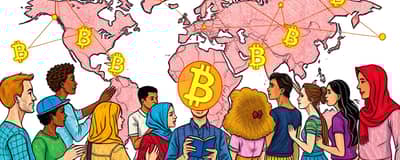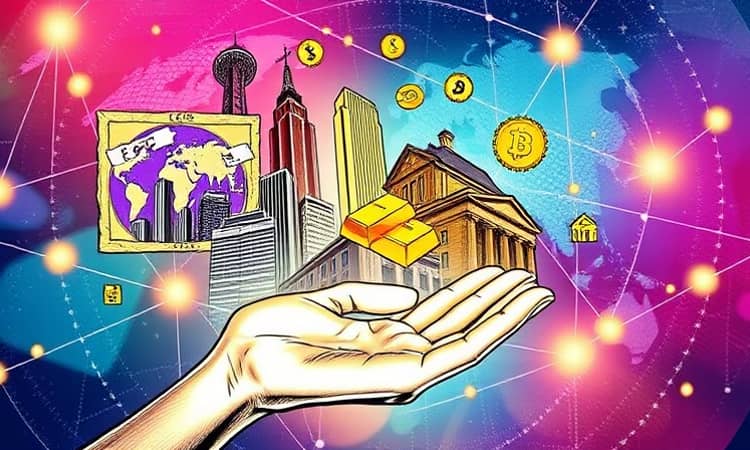
In an era of rapid digital transformation, tokenized assets are revolutionizing how individuals and institutions hold and transfer value. By converting real-world and digital assets into blockchain-based tokens, this emerging technology opens doors to unprecedented liquidity, transparency, and accessibility. From art and real estate to equities and commodities, tokenization promises to reshape the global financial landscape, empowering investors of all sizes and backgrounds.
Throughout this article, we will dive into the core concepts, market drivers, practical processes, and future potential of asset tokenization. Whether you are an investor, entrepreneur, or curious observer, you will find actionable insights and inspiration to navigate this dynamic space.
Definition and Core Concept
At its essence, asset tokenization is the process of converting ownership rights to physical, digital, or financial assets into digital tokens on a blockchain network. These tokens serve as digital certificates of ownership that can represent virtually any asset with value.
Tokens are categorized as either fungible—interchangeable units like traditional currencies—or non-fungible, representing unique assets such as individual art pieces or collectibles. The underlying blockchain ensures that ownership records remain immutable, transparent, and decentralized, significantly reducing fraud and enhancing investor trust.
Market Size and Growth Projections
The tokenization market has experienced remarkable growth, reflecting increasing demand for secure and efficient digital asset management. As traditional assets migrate onto blockchain platforms, forecasts project exponential expansion over the next decade.
Industry leaders anticipate that tokenized securities could amass a value of over $30 trillion by 2030. Such projections underscore the potential to bring trillions of dollars of real-world value onto blockchains, bridging the gap between traditional finance and decentralized ecosystems.
Key Market Drivers
Several forces are fueling the rapid adoption of tokenized assets, spanning technological innovation, regulatory support, and evolving investor needs.
- Digitalization and Data Security: Heightened demand for secure, tamper-proof records drives interest in blockchain’s cryptographic safeguards.
- Institutional and Regulatory Support: Clearer guidelines and frameworks from major financial hubs encourage regulated platforms to list tokenized securities.
- Technological Advancement: Layer 2 scaling, smart contract evolution, and DeFi integration unlock new use cases and enhance performance.
- Liquidity and Accessibility Benefits: Fractional ownership allowing lower capital requirements democratizes access to high-value assets.
Asset Categories and Segments
Tokenization spans a broad array of asset types, each unlocking unique opportunities for investors and issuers alike. Key segments include financial instruments, real estate, fine art, commodities, intellectual property, and carbon credits. While financial instruments currently dominate market share, real estate and collectibles are experiencing rapid growth due to high asset valuations and strong demand for diversification.
- By Asset Type: Equities, bonds, real estate, art, and carbon credits
- By End User: Institutional investors, retail participants, asset managers, and issuance platforms
- By Business Size: SMEs, driving innovation with cost-effective cloud solutions
Regional Growth Opportunities
Adoption rates vary across geographies, influenced by regulatory environments, technological infrastructure, and financial market maturity.
- North America: U.S. leads with fintech innovators in New York and Silicon Valley, pushing alternative investment solutions.
- Asia Pacific: Singapore, Japan, and Hong Kong establish clear tokenization frameworks, while emerging economies expand mobile-based platforms.
- Europe and Beyond: Progressive regulatory sandboxes and digital identity initiatives create fertile ground for cross-border tokenized offerings.
How Tokenization Works
The tokenization process typically unfolds in several stages, each ensuring compliance and security. It begins with asset verification by third-party auditors, followed by the selection of a suitable blockchain network and the creation of smart contracts to govern token issuance and transfers. For physical assets, secure custodial facilities hold the underlying items, while digital tokens circulate on the chosen blockchain.
Once tokens are issued, they can be distributed through regulated platforms, traded peer-to-peer, or integrated into decentralized applications, streamlining origination, trading, clearing, settlement, and custody into a unified digital workflow.
Benefits and Advantages
Tokenization offers a wealth of advantages over traditional asset management:
Enhanced Liquidity: Illiquid assets like real estate and fine art become tradable in seconds.
Democratized Access: Broader participation through fractional investments, widening investor diversity.
Transaction Efficiency: Faster settlement cycles and reduced intermediary fees improve returns.
Global Reach: Permissionless networks enable cross-border transactions without cumbersome legacy processes.
Emerging Use Cases and Applications
Beyond traditional finance, tokenized assets are finding novel applications in supply chain management, loyalty programs, healthcare records, and insurance. As AI, IoT, and 5G technologies converge with blockchain, we anticipate enhanced automation through AI and IoT, unlocking real-time tracking and dynamic compliance for complex asset classes.
Data and Compliance Considerations
High-integrity off-chain data is essential for verifying asset-backed tokens. Secure oracle services bridge real-world information with on-chain records, while evolving regulations demand robust data-protection measures and transparent audit trails. Institutions prioritize compliance frameworks to ensure tokenized offerings meet legal and security standards.
Long-Term Market Potential
Looking ahead, the upper bound of asset tokenization could encompass nearly all economic activity, with annual cumulative values potentially exceeding hundreds of trillions of dollars. This outlook positions tokenization as one of blockchain’s most transformative use cases, capable of restructuring global finance through efficient, transparent, and accessible mechanisms for ownership and transfer.
As tokenized assets continue to mature, participants who embrace innovation, prioritize security, and engage with evolving regulations will be at the forefront of a new era of ownership. By understanding the mechanisms, benefits, and practical considerations outlined here, you can confidently navigate and contribute to this groundbreaking frontier.