Imagine a world where banking is no longer a monolithic fortress but a flexible and personalized experience tailored to your unique needs.
This vision is becoming reality through the unbundling of banking, a transformative shift reshaping finance.
By breaking down traditional banks into specialized modular components, it unlocks innovation and empowers users like never before.
From faster loans to seamless payments, this evolution is driving a new era of financial freedom.
The Historical Shift That Sparked Change
For decades, traditional banks bundled services for efficiency, but this came at a cost.
High fees, slow processes, and limited access left many feeling trapped in outdated systems.
The 2008 financial crisis exposed these vulnerabilities, prompting a search for better alternatives.
Today, drivers like consumer demand and technological advances are fueling this change.
- Consumer empowerment is rising as people seek digital-first experiences.
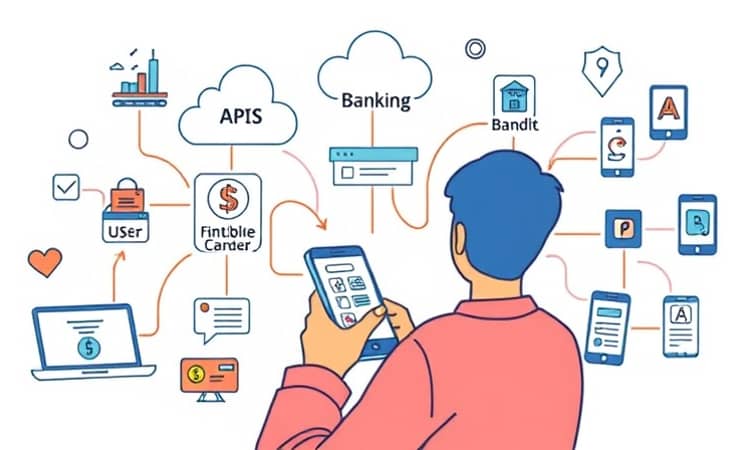
- Technology innovations such as APIs enable instant service launches.
- Economic pressures from low interest rates push for cost-effective solutions.
- Regulatory evolution is opening doors for non-bank competitors.
- Decentralization through blockchain reduces barriers for the unbanked.
These factors have shifted market dynamics dramatically.
By 2018, banks held only 28% of the personal loan market, while fintechs captured 38%.
Understanding the Key Components Unbundled
Unbundling dissects banking into core functions that can operate independently.
This modular approach allows for highly specialized services that are more efficient and user-friendly.
Shared services like accounting and customer management support these components seamlessly.
Real-world examples show the impact vividly.
A grocery shopkeeper can get an instant loan without piles of paperwork.
Savings and trading accounts can be activated in just 24 hours.
Spend analysis via APIs helps apps provide personalized financial insights.
Technological Enablers Powering the Revolution
At the heart of unbundling are cutting-edge technologies that make specialization possible.
These tools democratize finance and foster rapid innovation.
- Microservices and modular architecture allow independent core functions.
- Open banking and BaaS platforms enable secure data sharing.
- Blockchain and decentralization support peer-to-peer transactions.
- Plug-and-play solutions reduce launch times to under a day.
This tech stack transforms how services are delivered and consumed.
For instance, blockchain can cut mortgage costs by 1-2%, making homeownership more accessible.
Fintech Trends and the Rise of Rebundling
Initially, fintechs focused on niche products, such as payment cards.
Now, we are witnessing a great rebundling era where services are combined into comprehensive suites.
Companies like Monzo have evolved from simple cards to offering budgeting, savings, and insurance.
This trend enhances user convenience while maintaining specialization at its core.
- Fintechs are gaining independence with proposed Fed master accounts.
- Rebundling creates tailored subscriptions that meet diverse needs.
- It reflects a maturation of the unbundling movement into holistic solutions.
This evolution ensures that innovation continues to benefit consumers directly.
Navigating Risks and Regulatory Frameworks
With innovation comes new challenges that must be addressed proactively.
Risks like bank runs on non-insured platforms require robust risk management strategies.
Regulatory blueprints are essential to ensure safety without stifling progress.
- Insulate customers through pass-through claims in bankruptcy.
- Implement continuous auditing via blockchain for transparency.
- Define deposits functionally to level the competitive field.
A safe unbundling framework can reduce too-big-to-fail risks and promote inclusion.
For example, proposals for national charters could enable specialized models under uniform supervision.
Market Impacts and Future Prospects
The unbundling of banking is driving profound efficiency gains across the financial landscape.
It enhances inclusion by lowering costs for minorities and the unbanked.
Competition is intensifying as fintechs erode traditional bank dominance.
Future-proofing involves adopting unbundled operating systems for greater modularity.
- Finance is shifting towards real-time policy engines that adapt dynamically.
- Global examples show this trend accelerating access and innovation.
This movement is not just about technology; it is about empowering people with better financial tools.
Embrace this change to unlock a more equitable and innovative financial future for all.