In our fast-paced world, credit cards offer convenience but hide a deeper psychological grip on our wallets.
Every swipe or tap can lead to spending beyond our means, often without us realizing why.
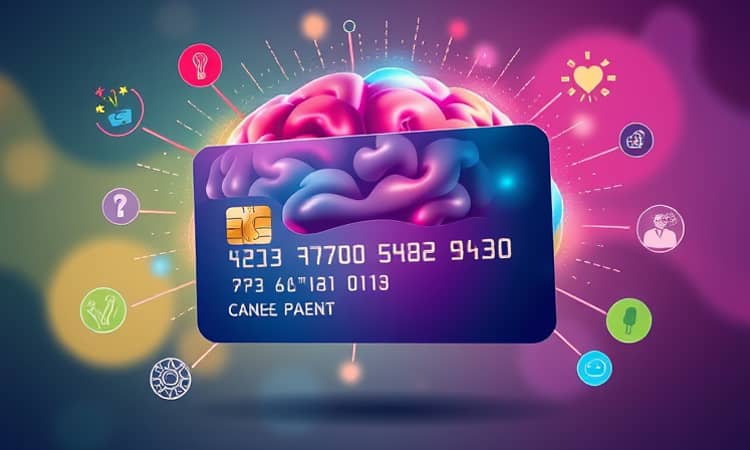
This journey into the brain's reward center activation reveals how these plastic tools shape our financial behavior in profound ways.
Core Psychological Mechanisms Driving Credit Card Spending
Credit cards do more than facilitate transactions; they engage fundamental neural processes.
When you use a card, it activates the striatum in your brain, a region linked to pleasure and motivation.
This triggers dopamine release, creating a sense of anticipation similar to addictive behaviors.
Research challenges the idea that cards simply reduce payment pain; instead, they actively motivate spending.
- Pain of Paying: Cash makes costs tangible, while cards create psychological distance from financial loss.
- Payment Coupling: The gap between purchase and payment eases the emotional weight of spending.
- Reward Reinforcement: Points, miles, and cashback programs gamify spending, encouraging more purchases.
- Spendception: Digital payments alter consumer behavior beyond what cash can explain.
These mechanisms lead to significant increases in expenditure, with studies showing people spend 12-18% more with credit cards than with cash.
Spending Statistics and Trends
The data highlights how credit cards influence everyday financial decisions.
Small actions accumulate into larger debts over time.
- Diners tip 4.3% more when seeing credit card logos, showing how subtle cues drive behavior.
- Household debt rises due to impulse buys and premium choices enabled by cards.
- Frequent small swipes, like for coffee, can lead to unnoticed large expenses.
- Contactless payments reduce friction, making spending almost effortless and habitual.
Understanding these trends helps you recognize the hidden costs of card use.
Emotional and Behavioral Triggers
Emotions play a key role in spending, and credit cards amplify these impulses.
During moments of vulnerability, cards make it easy to overspend without immediate regret.
These triggers are often exploited by marketing, making it crucial to stay aware.
Real-Life Scenarios and Examples
Daily situations illustrate how credit cards shape our spending habits.
Recognizing these patterns can empower you to make better choices.
- Restaurant Effect: Focusing on meal pleasure without cash pain leads to ordering extras like desserts.
- Online Shopping: Saved card details eliminate friction, delaying awareness of payment until later.
- Auction/High-Value Purchases: Cards can increase bids in auctions, as shown in studies.
- Everyday Spending: High credit limits create an illusion of unlimited money for non-essentials.
By reflecting on these scenarios, you can identify your own spending triggers.
Contrasting Hypotheses and Neural Evidence
Debate surrounds why cards increase spending, with two main theories.
The "release the brakes" view suggests cards reduce payment pain.
The "step on the gas" hypothesis argues they actively motivate spending through reward sensitization.
fMRI studies support the latter, showing that reward networks activate more with cards than with cash.
This neural evidence underscores the powerful motivational pull of credit card use.
Additional Influences and Vulnerabilities
Beyond core mechanisms, various factors make us prone to overspending.
Awareness of these influences is the first step toward control.
- Social and Media Pressure: Peer influence and idealized lifestyles push spending beyond means.
- Instant Gratification: The desire for immediate acquisition overrides long-term financial planning.
- Individual Differences: Optimists are more susceptible to gamification, while pessimists show restraint.
- Industry Design: Companies use data to craft triggers like minimum payments and rewards.
Understanding these vulnerabilities helps you build resilience against overspending.
Strategies to Counter Credit Card Overspending
Practical steps can help you use credit cards wisely without falling into debt.
Implementing these strategies fosters financial mindfulness and empowerment.
- Use transaction notifications to restore the "pain of paying" and increase awareness.
- Track your emotional triggers and avoid shopping during vulnerable moments.
- Switch to cash or debit for discretionary spending to feel the immediate cost.
- Set strict budgets and use apps to monitor expenses consistently.
- Educate yourself on credit card terms to avoid rewards traps and fees.
By leveraging psychological insights, you can turn credit cards into tools for smart spending.
Conclusion: Taking Charge of Your Finances
The psychology behind credit card spending reveals a complex interplay of brain chemistry and emotions.
Recognizing the neural and emotional levers at play allows for informed financial decisions.
Embrace awareness and practical strategies to build a healthier relationship with money.
Your journey toward financial well-being starts with understanding these hidden dynamics.