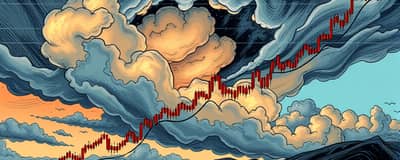
In a world awash with capital and opportunity, the allure of booming markets can be intoxicating. Yet behind rapid growth often lurks an unseen tension. This article explores how to recognize, understand, and weather the storms of market bubbles, transforming uncertainty into informed action.
Understanding the Anatomy of Bubbles
At its core, a market bubble emerges when asset prices detach from reality, driven by emotion rather than fundamentals. Investors may chase fleeting gains, unaware that they’re dancing on the edge of a collapse.
During the boom, participants often ignore warnings. Even seasoned professionals can be swept up in speculative behavior and emotional momentum, convinced that prices will climb indefinitely.
This cycle illustrates how easily markets can tip from celebration to crisis. The key is awareness: knowing each phase helps investors identify inflection points and adjust strategies.
Primary Drivers Behind Market Bubbles
Bubbles rarely arise from a single cause. Instead, multiple forces converge, amplifying each other until the structure becomes unsustainable.
- Excess liquidity and cheap borrowing: Central bank policies can flood markets with capital, leading to leverage-fueled asset price inflation.
- Investor psychology: Herd mentality and irrational exuberance in financial markets push valuations to extreme levels.
- Technological trends: New innovations spark a sense of boundless opportunity, as seen in the dot-com era.
- Regulatory gaps: Loose lending standards and misaligned incentives can mask underlying risks.
By understanding these forces, investors and policymakers can watch for warning signs before a bubble fully inflates.
The Lifecycle of a Bubble in Practice
Every bubble carries a promise: that today’s gains will continue tomorrow. But history reminds us of the hidden cost of unchecked optimism.
- Phase 1: Displacement introduces a transformative catalyst, like new credit facilities or groundbreaking technology.
- Phase 2: Boom sees rapid price appreciation, attracting more participants eager to share in the windfall.
- Phase 3: Euphoria marks the point of no return, where valuations far exceed intrinsic worth.
- Phase 4: Profit-Taking signals that some investors sense danger and begin to withdraw.
- Phase 5: Revulsion culminates in a torrent of selling, leaving many trapped at peak prices.
Knowledge of this sequence empowers investors to plan exit strategies and protect capital when the tide turns.
Real-World Lessons: The 2007–2008 Housing Crisis
The housing bubble of 2007–2008 stands as a stark reminder of what can happen when credit flows too freely. Easy mortgages and financial engineering created a perfect storm.
Speculators purchased homes with minimal down payments, believing prices would never fall. Lenders bundled risky loans into complex securities, spreading hidden dangers through the global financial system.
At the peak, many failed to recognize that valuations had reached intrinsic value beyond measurable fundamentals. When defaults rose, the chain reaction led to bank failures and a worldwide recession.
From this crisis, we learn that oversight, transparency, and prudent risk assessment are critical to preventing similar catastrophes.
Strategies for Investors and Policymakers
While bubbles can never be entirely prevented, certain practices can mitigate damage and support long-term growth.
- Maintain diversified portfolios to cushion against sudden downturns.
- Implement stress tests and scenario planning to assess vulnerabilities.
- Encourage regulatory frameworks that curb excessive leverage and risk-taking.
- Foster financial literacy so individuals can make informed, resilient decisions.
By combining diligence with adaptability, stakeholders can navigate turbulent markets with confidence.
Moving Forward with Purpose
Market bubbles represent both a challenge and an opportunity. They highlight the tension between human emotion and economic reality, reminding us that progress often comes with peril.
Investors who cultivate patience and discipline can turn moments of hysteria into opportunities for reflection and growth. Policymakers who prioritize financial stability and consumer confidence help create environments where innovation thrives without endangering the broader economy.
The paradox of plenty teaches a powerful lesson: abundance must be tempered with wisdom. By acknowledging the patterns of the past, we can steer future growth toward sustainability, ensuring that prosperity endures beyond the next cycle of boom and bust.