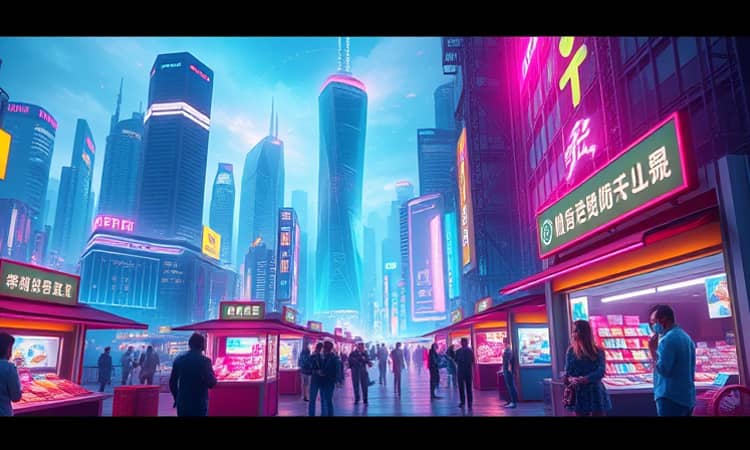
The dawn of the metaverse heralds a transformative era where virtual experiences intersect with real-world value. This expansive digital frontier is reshaping how we work, play, trade, and create.
As immersive platforms mature, an intricate economic ecosystem emerges, unlocking unprecedented opportunities for individuals, businesses, and creators globally.
Understanding the Metaverse Economy
By 2026, the metaverse market is projected to exceed $150.1 billion, driven by exponential growth in virtual assets and user engagement. Analysts forecast a climb to $1.3 trillion by 2032, reflecting a digital value creation and exchange revolution.
Consumer behavior is shifting: Gartner predicts that 25% of people will spend at least one hour daily in virtual worlds by 2026. Simultaneously, 30% of businesses will launch metaverse-ready offerings, integrating products and services into these immersive spaces.
This unprecedented expansion underscores a shift toward immersive user engagement opportunities, where digital ownership and interaction define new value streams.
Key Phases of Market Evolution
The metaverse economy unfolds in distinct phases, each marked by technological breakthroughs and evolving stakeholder participation.
- 2020–2025: Infrastructure build-out and early experimentation
- 2026–2030: Commercial adoption era with scalable business models
During the first phase, innovators and enthusiasts refined core technologies—XR hardware, blockchain platforms, and AI tools—laying the groundwork for mass adoption. In the upcoming commercial era, organizations will leverage these foundations to deliver seamless global transactions and experiences at scale.
Virtual Asset Classes as Investment Opportunities
By 2030, multiple asset categories will emerge as cornerstone investments in virtual economies. Early positioning in these classes can yield significant returns as demand accelerates.
- Virtual Real Estate: Prime land parcels on leading platforms
- Avatars & Digital Wearables: High-end fashion and customization
- Tokenized Collectibles: Scarcity-driven digital art and items
- AI-Generated Content: Personalized, dynamic virtual assets
- Digital Currencies & Payment Tokens: Seamless in-world transactions
- Intellectual Property NFTs: Royalties and creator rights enforcement
Investors and creators alike should explore avenues to mint, trade, and showcase these assets, harnessing interoperable virtual assets across platforms and capturing value through scarcity, creativity, and utility.
Major Economic Sectors and Use Cases
Gaming remains the most mature metaverse sector, where players generate real income by trading in-game items, attending virtual concerts, and participating in tokenized events. Blockchain-based games empower users to own and transfer digital assets outside traditional ecosystems.
Virtual commerce is rapidly evolving: brands host immersive shopping experiences, AI-driven assistants offer personalized fittings, and subscription models grant access to premium content. These developments signal a shift toward hybrid economy opportunities combining virtual and physical realms.
Digital real estate has seen price surges of up to 500% following major platform announcements. Companies, investors, and creators acquire land to build virtual headquarters, host events, and speculate on future demand.
The creator economy flourishes as artists, designers, and musicians monetize directly through marketplaces that bypass intermediaries. These platforms facilitate royalty flows, limited-edition releases, and community-driven collaborations.
In finance and banking, institutions are piloting token-based lending, wealth management services secured by virtual asset collateral, and integration of Web3 compliance protocols. Such innovation lays the groundwork for blockchain-powered marketplaces empowering creators and users alike.
Technology Enablers Shaping the Future
Five pillars will propel the metaverse economy forward, driving efficiency, scalability, and user adoption.
- AI & Metaverse Synergy: Automated world-building, intelligent NPCs
- XR Hardware Evolution: Lighter headsets, higher-resolution displays
- Blockchain Scalability: Faster, cost-effective transaction layers
- Next-Gen Connectivity: 5G/6G networks for low-latency experiences
- Interoperable Standards: Persistent identities and cross-platform assets
These advances will lower barriers to entry and enable dynamic AI-driven world-building processes that empower anyone to craft compelling virtual experiences.
Navigating Regulatory and Compliance Landscapes
As virtual economies expand, comprehensive legal frameworks will be essential to ensure consumer protection, financial stability, and intellectual property rights. By 2030, we expect globally coordinated regulations addressing:
— Taxation of digital transactions based on established digital service protocols
— Defined ownership and derivative rights for virtual creations
— Consumer safeguards and dispute resolution mechanisms
Stakeholders should engage early with policymakers and adopt best practices to achieve compliance and foster trust in these emerging markets, guided by comprehensive global regulatory frameworks.
Strategies for Success in the Metaverse Economy
To thrive in this evolving landscape, individuals and organizations must:
1. Research platforms and user demographics to find optimal entry points.
2. Pilot small-scale virtual initiatives to gather data and refine approaches.
3. Collaborate with creators, developers, and community leaders to build immersive experiences.
4. Diversify virtual asset portfolios across real estate, NFTs, and tokens.
5. Monitor technological trends and regulatory updates to maintain agility.
By adopting a flexible, experimental mindset, participants can secure first-mover strategic advantage positions in high-growth segments and adapt quickly to shifting market dynamics.
Conclusion: Embracing a New Frontier
The metaverse economy represents a convergence of innovation, creativity, and commerce on a global scale. As virtual environments mature, they will redefine how value is created, exchanged, and experienced.
Whether you are a developer, investor, creator, or consumer, now is the time to explore, experiment, and contribute to this unfolding digital saga. Together, we can forge a future where imagination and reality blend seamlessly, unlocking limitless opportunities in virtual worlds.