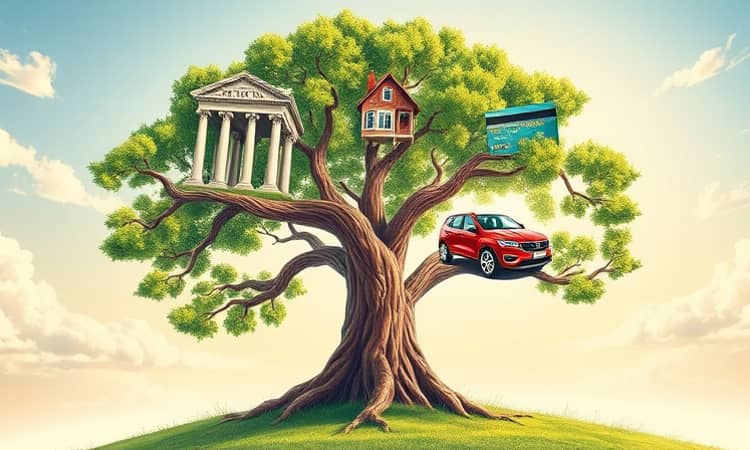
Every financial journey begins with a choice: where to turn for the funds you need. In a world of endless possibilities, understanding your borrowing options is not just about securing money; it’s about taking control of your financial future. Whether you’re planning a life milestone or managing daily expenses, knowing the terrain can empower you to make smarter, more confident decisions.
From traditional banks to emerging peer-to-peer platforms, the modern lending landscape offers a spectrum of products designed to meet different goals. This article walks you through the major categories, mechanics, risks, and strategies you can leverage to borrow with purpose and clarity.
Understanding the Breadth of Borrowing
At its core, consumer borrowing encompasses a wide range of products, each with unique structures and uses. Familiarizing yourself with these options allows you to choose the right tool for your needs:
- Personal loans (secured and unsecured) – Lump-sum funds for major expenses or debt consolidation.
- Credit cards and personal lines of credit – Revolving access for flexible spending and emergencies.
- Home equity products (HELOCs, home equity loans) – Borrow against your home’s value for large projects.
- Specialized loans – Auto, student, mortgage loans, or thematic financing like wedding or medical loans.
- Alternative credit – Buy Now, Pay Later plans, payday loans, pawnshop advances, and peer-to-peer platforms.
Each category addresses different scenarios: a fixed-term personal loan might suit home improvements, while a credit card or line of credit can handle variable expenses. By mapping needs to products, you can avoid unnecessary costs and choose a structure that aligns with your repayment capacity.
Decoding Loan Mechanics
Before selecting a product, it’s essential to grasp three core distinctions that shape your borrowing experience and cost.
Installment vs. Revolving Credit: Installment loans provide a one-time lump sum repaid in scheduled payments. Revolving credit, like credit cards, lets you borrow repeatedly up to a limit, with payments varying by balance.
Secured vs. Unsecured Loans: Secured loans require collateral—such as a vehicle or savings account. This lowers interest rates but introduces the risk of asset loss on default. Unsecured loans carry higher rates but no direct collateral requirement.
Fixed vs. Variable Interest Rates: Fixed-rate loans lock in your interest and payments, simplifying budgeting. Variable-rate loans often start lower but can fluctuate with market indices, introducing unpredictability over time.
Exploring Common Loan Types
With a clear understanding of structures, let’s examine the most popular personal lending options and their typical applications:
- Standard Unsecured Personal Loans: Ideal for debt consolidation, medical bills, or large purchases with terms ranging from two to seven years and APRs between 7.9% and 35.99%.
- Debt Consolidation Loans: Designed to merge multiple high-rate obligations into a single payment, often at a lower APR, with direct creditor disbursement in some cases.
- Co-signed and Joint Loans: Leverage another borrower’s credit to secure better rates or approval; both parties share liability.
- Personal Lines of Credit: Revolving funds tied to your bank account, offering interest-only payments on the borrowed portion.
- BNPL and Short-term Financing: Four-installment plans with no interest for pay-in-four programs, suitable for smaller purchases but requiring disciplined repayment.
Each product carries its own underwriting standards, fee structures, and approval criteria. Research lender-specific offerings—some specialize in home improvement loans, while others excel in emergency financing.
Beware of High-Cost Last-Resort Options
While accessible, payday and pawnshop loans carry exorbitant APRs, often above 300%, trapped in short terms that propel borrowers into cycles of refinancing. Auto title loans and subprime installment loans similarly expose individuals to steep fees and the threat of repossession or loss of collateral.
Consider these products only if no mainstream alternatives exist, and then with a clear exit strategy to prevent spiraling debt.
Choosing the Right Lender
Your choice of lender can significantly affect interest rates, approval chances, customer support, and funding speed. Here are three primary channels to consider:
Traditional Banks often reward strong credit profiles with competitive fixed-rate loans and premium credit cards, though underwriting can be stringent.
Credit Unions operate on a member-focused model, offering lower average rates, direct-creditor payment options for consolidations, and hardship programs.
Online Lenders and Fintech Platforms excel at quick approvals, digital convenience, and broader credit acceptance through alternative data and automated reviews.
Compare APRs, terms, fees, and funding timelines side by side. A small rate reduction or waived fee could save you hundreds over the loan’s life.
Practical Steps to Empower Your Borrowing
- Assess Your Needs: Clarify loan purpose, amount required, and ideal repayment timeline.
- Check Your Credit Profile: Review scores and reports, dispute inaccuracies, and consider prequalification to gauge rates.
- Shop and Compare Offers: Obtain multiple quotes, focusing on APR, fees, and flexibility.
- Read the Fine Print: Study origination fees, prepayment penalties, and variable-rate disclosure.
- Plan Your Budget: Ensure monthly payments fit comfortably alongside existing obligations.
Conclusion
The lending landscape is vast and varied, but armed with knowledge and preparation, you can navigate it confidently. By understanding structures, weighing options, and choosing the right lender, you transform borrowing from a daunting task into a strategic financial move. Remember, informed decisions build lasting financial strength, guiding you toward your goals with clarity and peace of mind.