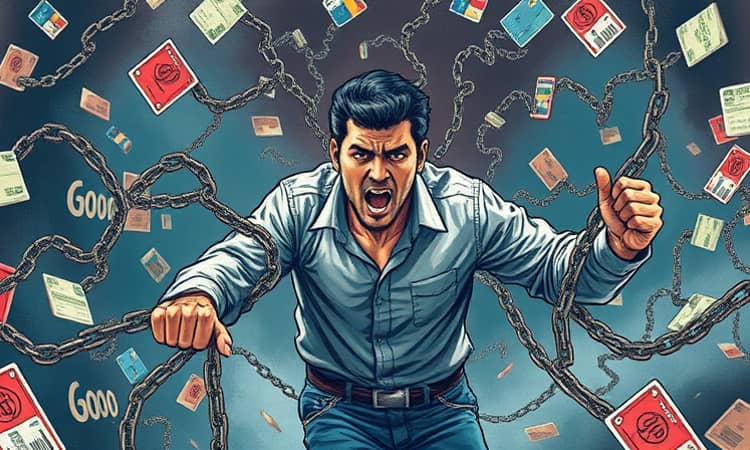
For many, the convenience of making only the minimum payment on credit card statements feels like a lifesaver. But beneath that relief lurks a cycle of mounting debt and frustration.
Understanding Minimum Payments
Minimum payments typically range from 1% to 3% of your balance or a fixed dollar amount plus interest and fees. On paper, it seems manageable, keeping accounts in good standing and avoiding late fees.
Yet most of that payment goes toward interest, leaving the principal nearly untouched. Over time, the balance can stagnate or even grow, despite faithfully meeting each month’s minimum.
The High-Cost Interest Spiral
When your annual percentage rate hovers between 15% and 25%, that high interest compounds quickly. Consider a $5,000 balance at 20% APR with a 2% minimum payment:
This math is staggering. Debt can outlast your career and cost four times the original balance in interest alone.
Psychological Pitfalls
Credit card statements often display the minimum payment in bold, anchoring your perception of what’s “enough.” That figure creates a false sense of progress. In studies, hiding the minimum amount led consumers to pay around 70% more.
Relying on that small number can become an unconscious habit, reinforcing the belief that you’re making headway when in reality the balance barely budges.
Compounding Delinquency Risks
As minimum payments rise—reaching record highs above 10% of all cardholders in recent quarters—many struggle to keep up. Missed or late minimums trigger fees, higher APRs, and damaged credit scores.
And when payments aren’t met, accounts can slide into delinquencies. Thirty-day delinquency rates have more than doubled since the pandemic low, pushing some issuers to raise fees further.
Core Traps That Keep You Locked In
- Interest dominates almost every payment, starving principal reduction.
- Anchoring bias skews your spending, convincing you the minimum is sufficient.
- Missed minimums lead to penalties and stress, worsening your financial health.
- Growing balances amplify future minimums, creating a snowball effect.
Economic Pressures Intensifying the Struggle
Post-pandemic savings have dwindled for many. Inflation, job uncertainty, and rising everyday costs mean households have less cushion to cover even the smallest payment.
Over half of Americans lack a $1,000 emergency fund, making them vulnerable to falling behind. With unemployment projected to tick upward and inflation persisting, the odds of slipping into minimum-payment dependence rise.
Who Is Most at Risk?
- Low-income earners with narrow budgets and unpredictable expenses.
- Consumers with average FICO scores who feel overconfident and overspend.
- Cardholders new to credit who aren’t aware of how interest accrues.
Recognizing these vulnerable groups is the first step toward targeted support and smarter borrowing habits.
Strategies to Escape the Cycle
Breaking free from the minimum-payment trap requires intention, planning, and consistent action. Here are practical steps you can take today:
- Pay more than the minimum whenever possible to attack principal.
- Focus extra funds on high-interest balances first, using either avalanche or snowball methods.
- Create an emergency fund to avoid relying on cards for unexpected costs.
- Lower interest rates through balance transfers or negotiation with issuers.
- Track spending closely and adjust your budget to free up cash.
Each of these moves chips away at what often feels like an insurmountable mountain of debt.
Building a Brighter Financial Future
Imagine a life without the weight of revolving credit hanging over you. Every extra dollar you apply to your balance not only accelerates payoff but restores freedom and peace of mind.
By committing to consistent above-minimum payments and strengthening your financial habits, you can transform your credit from burden to tool.
Whether your goal is to buy a home, start a business, or simply enjoy stress-free living, escaping the minimum-payment trap is a crucial first step.
With data showing minimum-payment reliance at decade-high levels, the need for awareness and action has never been greater. Take control now: evaluate your statements, adjust your budget, and plan for a future where debt no longer dictates your choices.