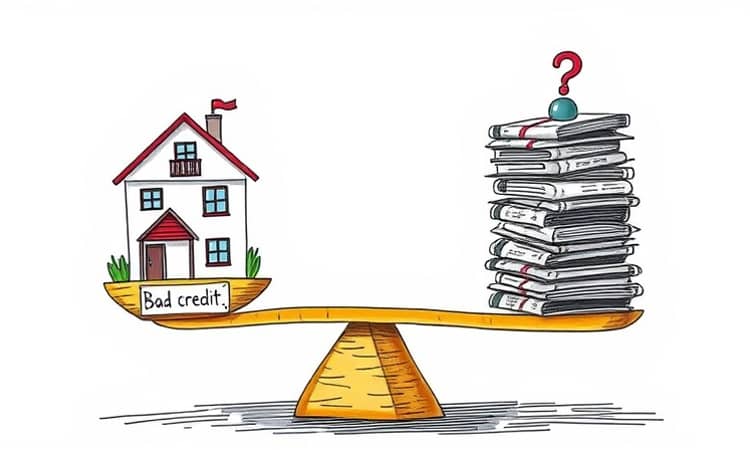
Credit scores feel abstract, but for millions of Americans they represent a silent financial penalty. Research shows subprime borrowers pay nearly $3,400 more per year than those with better ratings. That invisible burden can derail plans, increase stress, and leave hard-working families facing impossible choices.
Understanding how bad credit creates these ripple effects is the first step toward regaining control. From mortgages to insurance, employment to emergency loans, each corner of your financial life can carry an extra toll. But knowledge also lights the path to improvement.
How Bad Credit Raises Borrowing Costs
When lenders see a FICO score in the subprime range (620 or lower), they assume higher risk. That assumption comes at a steep price for borrowers across multiple products.
Mortgages: Even a difference of a few percentage points can translate into tens of thousands of dollars in added interest over time. Consider the following comparison based on a $300,000 loan.
That means the borrower with a 620 score pays over $100,000 more in interest alone, for the same house and same mortgage amount.
Auto Loans: Subprime borrowers financing a $10,000 vehicle often end up paying nearly $3,000 more in interest than their prime counterparts. Higher APRs and shorter or rigid loan terms make monthly bills heavier and the total cost much steeper.
Personal Loans: On a typical $6,200 personal loan over 60 months, a subprime borrower pays roughly $328 extra each year, totaling $1,638 more by the end of the term.
Credit Cards: With prime APRs around 17% and subprime cards often at 25% or higher, carrying a $5,000 balance can add hundreds or thousands in extra interest annually. Late fees and penalty rates further aggravate the situation.
Hidden Insurance Penalties
Insurance companies also factor credit into pricing, often penalizing low scores more than actual risk. Homeowners and auto insurance premiums can skyrocket for those deemed higher risk on paper.
In 23 states, a typical homeowner with a low (≈620) credit score pays nearly double for coverage compared to someone with excellent credit. That can mean an extra $2,000 per year—money that could have funded home improvements, savings, or emergency repairs.
Auto insurance follows a similar pattern. Although dollar amounts vary by region, studies include full-coverage premiums in the annual “subprime tax” estimate of $3,400. Those higher costs can keep good drivers stuck paying more simply because of past credit challenges.
Opportunity Costs and Systemic Barriers
Bad credit doesn’t just drive up prices; it shuts doors. From employment to housing, a low score can mean lost opportunities and added fees.
Many landlords and employers run credit checks during screening. A subprime file can lead to rejected rental applications or job offers in certain industries. That lost income potential and housing flexibility has a real impact on quality of life.
On top of that, poor credit often triggers security deposits on utilities, cell phones, and rental agreements. Those upfront costs can strain already tight budgets, forcing tough choices between essentials.
- Payment history issues
- High credit utilization ratios
- Unresolved collections accounts
- Thin or nonexistent credit files
Socioeconomic factors can worsen the situation. Credit scoring models may disproportionately penalize racial minorities and lower-income individuals, amplifying existing inequities and limiting access to mainstream financial products.
Breaking the Cycle: Practical Steps to Rebuild Credit
Improving your score is a marathon, not a sprint. But consistent, small actions can yield significant progress over time.
- Make every payment on time, every time.
- Reduce credit utilization below thirty percent on each card.
- Dispute any errors or outdated information on your report.
- Diversify your credit mix with installment and revolving accounts.
- Keep older accounts open to lengthen your credit history.
- Monitor your credit report regularly for changes.
Patience and persistence are key. As you demonstrate responsible behavior, risk-based pricing models will reward you with lower rates and better access. Within months, the extra fees, higher premiums, and denied opportunities will start to fade.
Remember, credit is a tool, not a judgment on your worth. It takes time to climb out of the subprime range, but each on-time payment and each paid-down balance brings you closer to financial freedom.
By confronting the hidden costs head-on and following clear, actionable steps, you can transform your credit profile from a liability into an asset. The benefits ripple outward—saving money, opening doors, and reducing stress for years to come. It all begins with the choice to take control of your credit today.