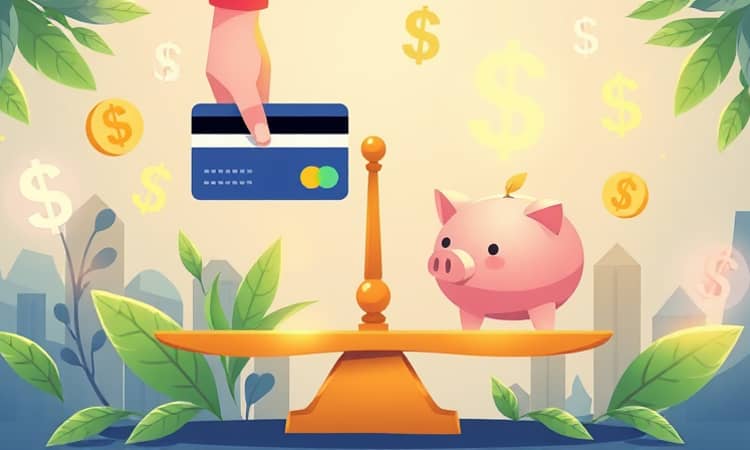
Credit cards can empower us with convenience and rewards, but rising debt trends remind us that power demands responsibility. As Americans’ total credit card balance soars past $1.277 trillion in Q4 2025, individuals face ethical choices every time they swipe. This article explores how to navigate credit with integrity, balancing personal accountability and systemic challenges to achieve long-term financial well-being.
Beyond numbers, each decision to charge or pay reflects our values and future stability. By embracing transparency, understanding terms, and protecting ourselves from fraud, we honor both our own interests and the broader financial ecosystem.
Below is a snapshot of the current landscape:
Payment Responsibility
At the heart of ethical credit card use lies the commitment to meet obligations promptly. Your payment history accounts for the largest factor in credit scores, influencing access to loans, insurance rates, and more.
To build a trustworthy record:
- Pay bills on time and in full whenever possible.
- Never miss the due date for at least the minimum payment.
- Set up automatic payments or calendar reminders.
- Review your statement the moment it arrives to confirm accuracy.
Monitoring & Transparency
Accountability demands ongoing oversight of every transaction. Thorough review helps detect errors, curb unnecessary spending, and flag unauthorized charges before they escalate.
Responsible cardholders:
- Review transactions in real time via mobile apps or online portals.
- Categorize expenses (groceries, utilities, entertainment) to understand spending habits.
- Check credit scores regularly to track progress and spot discrepancies.
Understanding Terms & Conditions
Too often, consumers overlook the fine print in their agreements. Ethical use means arming yourself with knowledge of interest rates, fees, and penalty triggers.
Key steps include:
Familiarize yourself with the Schumer box—the standardized table of rates and fees—and set up spending alerts or limits to avoid surprises. Understanding these details translates to better decision-making and fewer hidden costs.
Security & Fraud Prevention
Protecting your credit card details is both a personal obligation and an ethical stance against fraud. While laws exist to limit liability, early detection and reporting minimize harm.
Best practices involve:
- Keeping cards secure at home, at work, and when traveling.
- Never sharing full card numbers on social media or public platforms.
- Regularly monitoring statements and reporting suspicious activity immediately.
Using Credit as a Tool, Not a Crutch
A credit card should be a stepping stone toward financial resilience, not a lifeline for overspending. Ethical users harness credit for routine expenses they can repay swiftly.
Consider this mindset shift:
Use cards for predictable costs—groceries, gas, recurring bills—then aim for paying balances in full each month. This habit builds credit health and prevents interest from undermining your goals.
Bridging Personal Responsibility and Systemic Challenges
While individual choices matter, external factors also shape outcomes. Inflation, high interest rates, and widening income gaps have driven average debt higher, leaving 61% of cardholders in extended repayment cycles. These numbers point to broader socioeconomic pressures that ethical frameworks alone cannot resolve.
Recognizing systemic barriers helps us advocate for policies and educational programs that improve access to financial literacy, more transparent fee structures, and support for vulnerable populations. True ethical engagement extends beyond our wallets—it includes community action and informed voting.
Practical Steps to Ethical Credit Use
Empower yourself and inspire others by turning principles into practice. Start small and build momentum toward a secure financial future.
- Set a monthly budget incorporating all credit-card-based expenses.
- Enroll in free credit-counseling or financial literacy workshops.
- Automate at least the minimum payment to avoid late fees.
- Review your card’s terms annually to stay informed of changes.
- Share best practices with friends and family to foster a culture of responsibility.
By adopting these strategies—balancing personal discipline with advocacy for systemic improvements—you contribute to a healthier financial ecosystem for yourself and others. Ethical credit use is not an abstract ideal; it’s a daily practice that pays dividends both financially and morally.