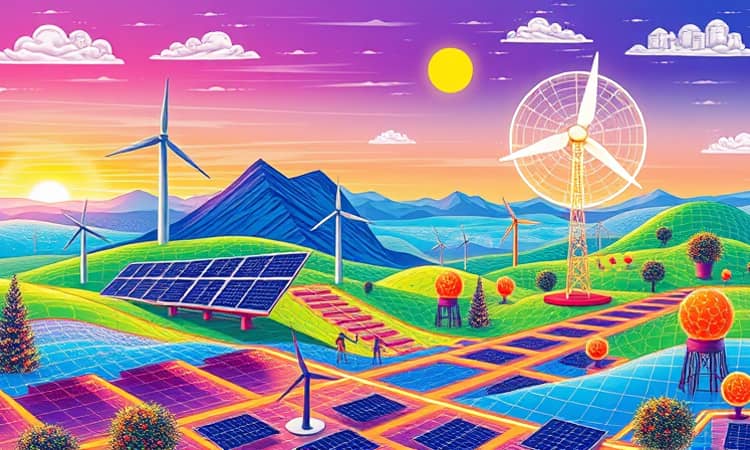
The global shift toward sustainable energy is not just an environmental imperative but a monumental financial opportunity reshaping markets worldwide. As we approach 2026, this transition is accelerating, driven by technological innovation and policy tailwinds that are unlocking unprecedented investment potential for astute portfolios. The convergence of renewables, storage, and digital tools is creating a new era where clean energy dominates growth sectors, promising robust returns while contributing to decarbonization goals.
Investors are now positioning themselves to capitalize on this seismic change, with forecasts indicating that clean technologies will attract the bulk of energy investments. This movement is fueled by rising electricity demand from artificial intelligence and data centers, alongside global commitments to net-zero emissions. The narrative is clear: the energy transition is the defining investment theme of our time, offering both stability and growth in a volatile economic landscape.
To navigate this landscape effectively, understanding key trends and strategies is essential for maximizing returns and mitigating risks. From solar-plus-storage hybrids to nuclear revival, the opportunities are diverse and backed by solid data. This article delves into the practical insights and actionable steps that can help investors fuel their portfolios with the energy of tomorrow.
The Rise of Renewables and Storage
Renewable energy sources, particularly solar and wind, are set to overtake coal as the top global electricity source by 2026. This dominance is not just a milestone but a testament to their cost competitiveness and scalability. Solar installations, despite a slowdown in China, continue to lead growth, with hybrids combining storage to address intermittency issues. The integration of storage solutions is expanding rapidly, driven by falling battery costs and increasing demand from hyperscalers and utilities. This synergy ensures reliable power supply and enhances grid stability, making renewables more attractive for long-term investments. The solar plus storage segment is now the fastest-growing part of the market, showcasing how innovation is overcoming traditional barriers.
Key trends shaping this sector include:
- Global renewable capacity reaching 4,000 GW for solar and wind, surpassing fossil fuels.
- Battery storage costs dropping significantly, with global capacity expected to grow by 33% in 2026.
- Utility-scale projects increasingly adopting hybrid models to balance supply and demand.
These developments are supported by massive capital flows, with clean tech accounting for two-thirds of total energy investment. As electricity demand grows by 3.7% annually, renewables are not just keeping pace but eclipsing this growth, solidifying their role as a core asset class for investors.
Nuclear's Resurgence and Policy Drivers
The nuclear energy sector is experiencing a notable revival, fueled by its role in providing baseload power for data centers and supporting net-zero targets. Global pledges, such as the commitment by 33 nations to triple nuclear capacity by 2050, are driving new project announcements and thematic investment funds. This resurgence is backed by policy frameworks like the Inflation Reduction Act in the U.S., which offers incentives and safe-harbor credits to spur development. The integration of AI and digital tools further enhances nuclear's efficiency and safety, making it a compelling addition to diversified portfolios. Nuclear is poised to contribute significantly to decarbonization efforts while offering stable returns in a low-carbon economy.
To quantify the growth, here is a table summarizing key projections for 2026:
Policy and regulatory contexts, including extensions of the IRA and global agreements, are creating a favorable environment for investment. However, challenges such as supply chain constraints and grid bottlenecks must be navigated. Investors can leverage these drivers by focusing on de-risked assets and thematic funds that align with long-term sustainability goals.
Investment Strategies for 2026 and Beyond
For investors seeking to capitalize on the energy transition, a strategic approach is crucial. Practical strategies include diversifying into high-growth areas like solar-plus-storage hybrids and long-duration storage solutions. These assets offer stable yields and are increasingly backed by power purchase agreements, reducing risk. Thematic funds, such as those targeting the nuclear value chain, provide exposure to specialized sectors with strong tailwinds. Additionally, emerging bets in climate tech, hydrogen, and carbon capture present opportunities for higher returns, albeit with more volatility. By adopting a disciplined cost approach and utilizing digital tools, investors can optimize their portfolios for resilience and growth in volatile markets.
Recommended investment vehicles and approaches:
- Core assets: Solar-plus-storage hybrids and utility-scale projects with PPAs.
- De-risked plays: Mature projects sold to private equity and infrastructure funds.
- Thematic funds: Focus on nuclear, AI integration, and ESG-compliant options.
- Emerging sectors: Venture capital in climate tech, hydrogen projects, and supply chain innovations.
Global investment flows are sustaining deal activity, with platforms like BNEF tracking renewables and clean tech trends. Investors should prioritize assets that balance fundamentals with policy incentives, such as safe-harbor ITCs in the U.S. This shift from credit-based to fundamentals-driven investing ensures sustainable returns amid economic shifts.
Navigating Challenges and Risks
While the opportunities are vast, the energy transition is not without its challenges. Supply chain disruptions, geopolitical tensions, and regulatory uncertainties can impact project timelines and costs. China's slowdown in solar additions, for instance, may affect global capacity growth, but innovation in AI and digital grids offers mitigation strategies. Grid constraints and utility lag in adopting hybrids also pose risks, requiring careful due diligence. However, these challenges are offset by the sector's resilience and the ongoing influx of capital, which drives innovation and cost reductions. By staying informed and adaptable, investors can turn potential obstacles into strategic advantages for portfolio optimization.
Key risks to monitor include:
- Supply chain and tariff pressures from geopolitical events.
- Grid bottlenecks limiting the integration of new renewables.
- Macroeconomic factors like power price volatility and M&A shifts.
Addressing these through blended finance and diversified revenue streams can enhance portfolio stability. The broader trend of clean energy becoming more affordable than fossils underscores the sector's long-term viability. Entrepreneurs and startups are scaling technologies in battery recycling and digital tools, adding to the ecosystem's robustness. Ultimately, a proactive approach to risk management, coupled with a focus on innovation, ensures that investors can harness the full potential of the energy transition.
Conclusion: Embracing the Future of Energy Investing
The energy transition is redefining investment landscapes, offering a pathway to both financial prosperity and environmental stewardship. As 2026 approaches, the acceleration in renewable deployment, storage expansion, and nuclear revival presents a unique window for portfolio growth. By leveraging practical strategies and staying attuned to policy developments, investors can position themselves at the forefront of this transformative movement. The journey requires vigilance and adaptability, but the rewards—stable returns, reduced carbon footprints, and participation in a global shift—are profound. Now is the time to act, integrating these insights into a forward-thinking portfolio that fuels not just profits, but a sustainable future for all.