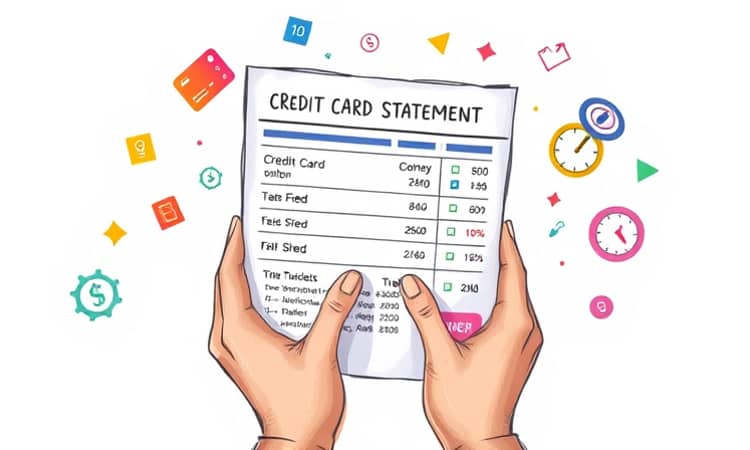
Your credit card statement is more than just a monthly bill. It is a detailed financial roadmap for your money.
Mastering this document can transform your financial health. It reveals spending patterns and credit usage.
Regular review helps you avoid costly mistakes and interest charges. This guide breaks down every component.
Account Summary: Your Financial Snapshot
The account summary offers a quick overview of your status. It recaps the billing cycle activity.
This section helps you spot anomalies early. Identifying unusual activity quickly is crucial.
Key components included here are:
- Previous statement balance
- Total payments received
- Statement credits such as reward redemptions
- Applied fees during the cycle
- Interest charges accrued
- Total purchases made
- Available credit remaining
- Cash advances if any
Review this snapshot first each month. It sets the stage for deeper analysis.
Payment Information: Know What You Owe
This section outlines your payment obligations clearly. It includes deadlines and amounts due.
Paying on time avoids late fees. Understanding these details is vital.
Elements you will find are:
- Statement balance total owed
- Minimum payment amount required
- Payment due date deadline
- Available credit on account
The minimum payment is often small. It is designed to maximize interest paid. Always aim to pay more.
Late and Minimum Payment Warnings
These sections highlight financial consequences. They warn about fees and interest.
Late fees typically range from $25 to $40. Repeated offenses increase penalties harshly.
Key warnings include:
- Interest owed if minimum payment is late
- Estimated time to pay off with minimum payments
This information encourages timely payments. It helps you plan for debt reduction.
Transaction History: Track Your Spending
This is the most useful section for many. It lists all transactions in detail.
Transaction history is essential for accuracy. Check it for discrepancies regularly.
Details provided are:
- Transaction date and posting date
- Merchant name and location
- Reference number and card digits
- Amount charged or credited
This breakdown aids in budgeting. It also helps detect unauthorized charges.
Fees and Interest Charges
This section breaks down all extra costs. Fees can accumulate quickly if ignored.
Awareness can prevent unnecessary expenses. Review this part carefully each month.
Common fees listed include:
- Interest charges from purchases
- Annual fees for premium cards
- Late payment fees
- Other applicable fees
Interest is often calculated using the average daily balance method. This method examines daily balances.
This table summarizes common extra costs. Use it to stay informed.
Interest Charge Calculation
This detailed section shows how interest is applied. It varies by transaction type.
Variable interest rates can change over time. This is standard in the industry.
Components include:
- APR for purchases
- APR for cash advances
- APR for other transactions
- Percentage rates and dollar amounts
Cash advance APRs are usually higher. Understanding this helps in decision-making.
Total Interest and Fees Year-to-Date
This summary tracks your annual costs. It helps evaluate financial strategies.
Total interest paid year-to-date is insightful. Consider balance transfers if high.
Details provided are:
- Total interest paid in the current year
- Total fees paid including annual fees
Use this data to assess card value. It might prompt a switch to lower-fee options.
Rewards Summary
Some statements include a rewards section. It tracks earnings and redemptions.
Rewards earned during billing period add value. Maximize them for benefits.
Elements are:
- Rewards earned during the cycle
- Reward redemptions or credits applied
This encourages responsible spending. It turns purchases into perks.
Account Messages
This section contains important notifications. It includes updates from the issuer.
Read these messages for changes. Official document from the bank updates here.
They may inform about rate changes or offers. Stay alert to avoid surprises.
Key Distinctions to Remember
Understanding differences avoids confusion. Statement balance vs current balance matters.
The statement balance includes pre-closing transactions. The current balance includes all up to now.
Paying the statement balance in full avoids interest. Even if the current balance is higher.
Minimum payments are calculated to extend debt. They keep you paying more interest.
Visual and Structural Elements
Statements have clear layouts for readability. They include available credit and due dates.
Some show credit score information. Transaction history organized by date helps.
Use these elements to navigate easily. They enhance user experience.
Best Practices for Effective Management
Adopt habits for financial success. Skim the account summary first for overview.
Follow this routine monthly:
- Check the account summary for red flags.
- Double-check all transactions for accuracy.
- Look out for any fees charged.
- Ensure payments are made on time.
- Pay the statement balance in full.
This approach keeps you in control. Staying proactive avoids debt accumulation.
Review statements as soon as they arrive. Set reminders for payment due dates.
Use online tools for tracking. Regular monitoring improves financial habits.
Educate yourself on terms and conditions. Knowledge is power in finance.
Share insights with family or friends. Empowering others builds community strength.
Your credit card statement is a tool for growth. Embrace it to achieve financial freedom.
Start today by examining your latest statement. Take control step by step.