Credit card offers arrive daily with promises of rewards, points, and exclusive perks. Yet, beneath those glossy mailers and online banners lies a complex ecosystem of fees, security measures, market forces, and regulatory safeguards. By unraveling this anatomy, you can make informed choices and empower your financial future.
Decoding the Physical Identity
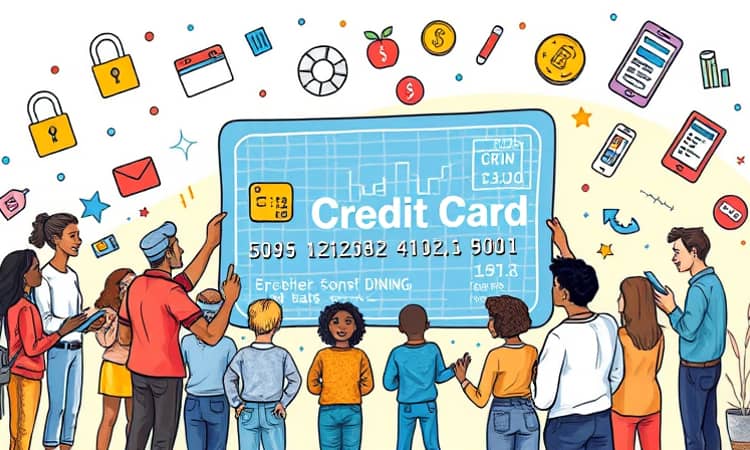
At first glance, a credit card is simply a piece of plastic, but every element on its surface serves a purpose. The front displays the issuer, card network logo, cardholder name, expiration date, a security chip, and a long card number known as the Bank Identification Number (BIN).
- Bank name and network logo (Visa, Mastercard, AmEx)
- EMV security chip for encrypted transactions
- 16-digit card number and expiry date
- Cardholder’s printed name
Flip the card over and you’ll find a magnetic stripe, signature strip, a three-digit CVV code, and sometimes holographic or raised-ink features. These safeguards prevent unauthorized use and help merchants and banks verify your identity in seconds.
Beyond the Plastic: Financial Metrics
Behind each card lies a revenue engine. The U.S. credit card issuing industry generated an estimated $178.3 billion in revenue in 2026, with outstanding consumer balances reaching $1.346 trillion by year-end 2024. As balances rise, so do the stakes for issuers and cardholders alike.
While credit card delinquencies remain near historic lows, small shifts can signal broader economic changes. Stay ahead of market trends by monitoring national reports and your personal credit statements.
Consumer Usage and Behavior
Today, the average American holds 3.9 credit cards and uses them for 31% of all payment transactions, totaling $3.6 trillion in purchase volume in 2024. Contactless taps and mobile wallets now comprise half of all in-person card payments worldwide.
Despite the convenience, balancing rewards with responsible repayment is key. Use cards for budgeting by assigning one card to regular bills and another to travel perks. This maximize your reward earning potential while keeping spending organized.
Security in Every Swipe: Technology Unveiled
Modern credit cards employ multiple layers of protection to guard your finances:
- EMV Chip Technology: Generates dynamic codes per transaction
- Tokenization: Replaces sensitive data with unique digital tokens
- 3D Secure Authentication: Adds one-time passwords or biometrics
- PCI DSS Compliance: Ensures merchants follow strict security standards
By understanding these features, you can choose cards from issuers that offer robust fraud-prevention measures. Always review alerts immediately and report any unauthorized charges at once.
Making the Most of Your Credit Card Offer
When comparing offers, look beyond surface perks. Card issuers earn revenue primarily through merchant interchange fees and interest on revolving balances. Your goal is to capture rewards without incurring unnecessary costs.
- Interest rates and annual fees
- Introductory APR periods and balance transfer fees
- Foreign transaction fees and cash advance charges
- Loyalty program details: points, miles, or cash back
Creating a simple spreadsheet can help you weigh potential rewards against costs over a typical year. This approach lets you understand the hidden fees that quietly erode your earnings.
Economic Factors and Rates: Navigating the Tide
Interest rates, inflation, and employment levels all influence credit card profitability and borrower costs. With inflation above target at 2.45% and modest Fed rate cuts on the horizon, borrowing may become slightly cheaper over the next year.
However, a cautious lending environment and modest balance growth emphasize the need for embrace disciplined credit practices and spend management. Aim to keep utilization under 30% of your total available credit to maintain a healthy score.
Key Players and the Regulatory Lens
The credit card ecosystem includes cardholders, merchants, issuing banks, acquiring banks, card networks, payment processors, and gateways. Each stakeholder has incentives—from transaction revenue to fraud prevention—to keep the system running smoothly.
The Consumer Financial Protection Bureau (CFPB) oversees industry practices, ensuring transparency in disclosures and tracking key metrics like average debt levels, purchase volumes, and fee structures. By knowing your rights, you can dispute unfair fees and benefit from industry safeguards.
Practical Steps to Navigate Offers
Armed with this knowledge, take these actions to choose the right card and use it wisely:
- Read the fine print: review fee schedules and interest rates.
- Match rewards to spending: pick cards that align with your habits.
- Pay in full each month: avoid carrying revolving balances.
- Monitor your credit: use free reports to check for errors.
Following these steps will help you empower your financial future and turn credit cards into tools for growth rather than traps of debt.
Conclusion
Credit card offers can be overwhelming, but by dissecting their components—from physical features to regulatory oversight—you gain clarity and control. Armed with practical strategies and a critical eye, you can confidently navigate offers, maximize rewards, and maintain financial well-being. Dive beyond the hype and let informed choices guide your credit journey.