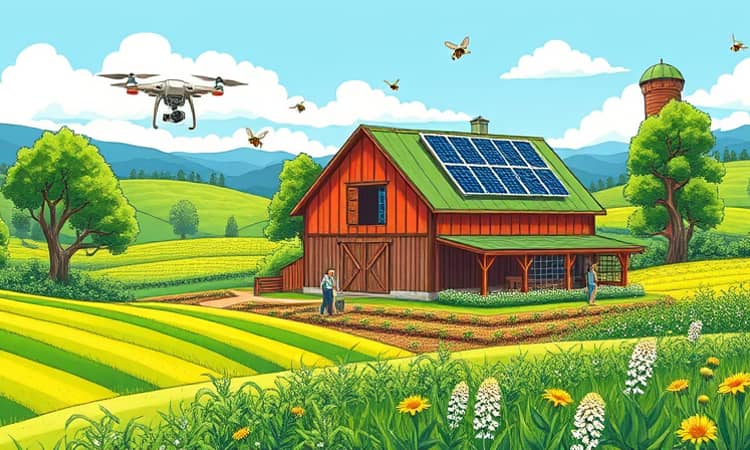
As global challenges intensify, shifting to sustainable agriculture emerges as essential for long-term food security. This movement not only strengthens ecosystems but also empowers communities worldwide.
Market Size and Growth Projections
The sustainable agriculture market was valued at US$ 16.1 billion in 2024 and is projected to reach US$ 33.9 billion by 2031, reflecting a robust compound annual growth rate (CAGR) of 11.2%. The U.S. market alone is expected to grow at 11.5% over the same period. These figures underscore an accelerating shift toward responsible farming practices as stakeholders embrace environmental stewardship.
Such projections demonstrate the sector’s capacity to attract investment and drive sustainable development across regions.
Key Market Drivers
Multiple factors fuel this expansion. Rising concerns about climate change, soil degradation, and water scarcity are prompting farmers and policymakers to seek greener solutions. Additionally, consumer demand for organic and non-GMO products has surged, creating new market segments and premium pricing opportunities.
Governments worldwide are responding with supportive policy frameworks and green financing, while private investors back innovative technologies that optimize yields and conserve resources. This convergence of interests accelerates the transition from conventional agriculture to sustainable models.
Leading Farming Systems
Among sustainable approaches, organic farming leads growth by emphasizing natural inputs, biodiversity, and soil health. This model avoids synthetic chemicals and fosters ecological balance.
- Use of natural fertilizers and biopesticides
- Promotion of crop diversity and soil regeneration
- Certification programs that guarantee product authenticity
The fruit and vegetable segment is also pivotal, with retailers highlighting sustainably sourced produce to meet consumer expectations for transparency and quality.
Technological Innovation
The integration of digital tools and biological solutions is revolutionizing sustainable agriculture. Farmers now leverage satellite imaging, drone-based crop monitoring, and AI-powered advisory platforms to make data-driven decisions that maximize efficiency.
Simultaneously, biological inputs such as microbial inoculants and bio-stimulants are replacing petrochemical fertilizers and pesticides, enhancing soil vitality and reducing environmental impact.
Precision agriculture techniques—agroforestry, cover cropping, organic fertilization, and AI-driven irrigation systems—optimize water use and boost yields while preserving natural resources.
Environmental Benefits
- Reduction of synthetic chemical usage, limiting soil and water pollution
- Enhanced biodiversity through diversified crop rotations and integrated pest management
- Improved carbon sequestration in healthy soils, helping mitigate climate change
- Decreased soil erosion and better water retention in landscapes
By adopting these practices, farmers contribute to long-term ecological resilience and climate mitigation, reinforcing the health of our planet.
Socio-Economic Benefits
Sustainable farming generates stable employment opportunities and strengthens local economies. These practices typically require more labor, helping to reduce rural unemployment and bolster community resilience and livelihoods.
- Lower input costs due to decreased reliance on chemical fertilizers
- Enhanced productivity from automated technology and precision tools
- Premium market prices for certified organic or sustainably sourced products
- Greater economic resilience through diversified cropping systems
- Improved resource access for smallholder farmers in underserved regions
Implementation Techniques and Innovations
Practical methods gaining adoption include crop rotation and cover cropping to restore soil nutrients, agroforestry systems that integrate trees with crops for mutual benefits, and no-till farming coupled with composting to maintain soil structure. Rotational grazing practices manage livestock impact and maintain pasture health, while automated irrigation systems monitor moisture levels to optimize water use and reduce waste. These combined approaches provide farmers with a versatile toolkit for balancing productivity and sustainability.
Emerging Opportunities
Regenerative and carbon farming initiatives promise to restore degraded lands and generate revenue through carbon credits. Platforms like Indigo Ag and Nori enable farmers to monetize sequestration efforts by selling verified carbon offsets. Meanwhile, government incentives in regions such as the EU and North America integrate soil health measures into climate policy, further energizing adoption.
Challenges and Barriers
Despite clear advantages, obstacles remain. Smallholders in low- and middle-income countries often face limited access to institutional credit, extension services, and market incentives. A gap in rural infrastructure and digital literacy hinders the uptake of advanced tools. Moreover, the transitional phase from conventional to sustainable models can incur upfront costs and revenue fluctuations.
Addressing these challenges requires collaborative efforts among governments, NGOs, and private stakeholders to provide training, financing, and market access, ensuring no farmer is left behind.
Global Progress and Initiatives
Recent milestones include the completion of over 40 agricultural surveys and publication of more than 30 statistical datasets in 2024–2025. Sustainable Development Goal indicators and CAADP metrics track progress across multiple countries, with Georgia and Cambodia successfully graduating to autonomous sustainable systems.
International commitments under the UN SDGs and climate agreements have strengthened policy support and funding for sustainable land use, creating a favorable environment for continued innovation.
Health and Nutrition Impact
Sustainable agriculture delivers healthier, more nutritious foods by reducing chemical residues and preserving natural nutrient cycles. Growing consumer awareness of wellness and demand for clean-label products ensures that eco-friendly practices will remain central to the food industry’s evolution. Emphasizing nutrient-rich, minimally processed foods fosters better public health outcomes while promoting environmental stewardship.
The transition to sustainable agriculture is not just an agricultural revolution; it is a path toward a more resilient food system, vibrant rural economies, and a healthier planet. By investing in innovative practices, supportive policies, and community engagement, stakeholders can build a future where food production coexists harmoniously with the Earth’s ecosystems.