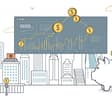
The global financial landscape is undergoing a profound shift, one that promises not just returns but resilience and equity for generations to come.
Sustainable finance, which integrates environmental, social, and governance (ESG) factors into investment decisions, is no longer a niche concept but a mandatory strategy driving capital markets from 2026 to 2030.
It moves beyond voluntary ethics to become a core element of business operations, enabling economies to sustain and scale prosperity amid mounting risks and transitions.
This article explores how sustainable finance is paving the way for enduring success, offering practical insights for investors, businesses, and policymakers alike.
The Unstoppable Rise of Sustainable Finance
From voluntary initiatives to regulatory imperatives, sustainable finance is set to dominate global markets in the coming years.
Driven by a confluence of factors, it represents a seismic shift in how we allocate capital for long-term value creation.
This transformation is fueled by increasing awareness of climate risks and social challenges, making sustainability a non-negotiable priority.
As regulations tighten and investor preferences evolve, embracing this approach is key to unlocking growth and stability.
Key Drivers Fueling the Dominance of Sustainable Finance
Several powerful forces are propelling sustainable finance to the forefront of global investment strategies from 2026 onwards.
Understanding these drivers can help stakeholders navigate the evolving landscape and capitalize on emerging opportunities.
- Global Regulations Making Sustainability Non-Negotiable: A web of rules, such as the ISSB standards and Europe's SFDR, is transforming sustainability reporting into a legal fiduciary duty, with deadlines like May 2025 accelerating compliance.
- Investor Demand Shift: Next-generation investors prioritize impact, divesting from poor ESG performers and viewing sustainability as both risk mitigation and a growth opportunity, with the market projected to quadruple in a decade.
- Profitability Evidence: Sustainable firms access lower cost of capital due to perceived lower risk, debunking myths about return sacrifice, and the impact investing market is sized at over $1 trillion by GIIN.
- Technology Backbone: Innovations like blockchain track green bonds transparently, combating greenwashing, while AI enables precise ESG data for better risk management.
- Sovereignty and Transition Focus: Themes for 2026 include mobilizing investment for European autonomy in areas like defense and energy, with sharper definitions accelerating capital to low-carbon shifts.
These drivers underscore the inevitability of sustainable finance, making it essential for anyone involved in capital allocation.
Market Size and Projections: The Numbers Behind the Trend
Quantifying the growth of sustainable finance provides a clear picture of its expanding influence and potential.
Here is a snapshot of key metrics that highlight this upward trajectory, based on recent data and projections.
These figures demonstrate the rapid expansion of sustainable finance, offering tangible evidence of its economic viability and impact.
Major Trends Shaping Sustainable Finance in 2026 and Beyond
As we look ahead, specific trends are set to define the sustainable finance landscape, guiding investment strategies and business practices.
Staying informed on these developments can help individuals and organizations align with future-proof opportunities.
- Transition Finance Mainstreaming: Sharper definitions under frameworks like SFDR position it as a distinct asset class for climate adaptation and resilience, with vast opportunities in global value chains.
- Adaptation and Resilience Rise: Pricing climate risks via insurance models, similar to tobacco precedents, and shifting infrastructure to private capital for energy and digitalization.
- Sovereignty as Investment Focus: Mobilizing capital for defense, energy, food, and tech to enhance competitiveness, particularly in regions like Europe.
- Naming and Disclosure Rules Impact: ESMA mandates for environmental funds slow U.S. ESG launches amid political pushback, influencing global investment flows.
- LNG Financing Ramp-Up: Banks increase loans despite fossil phase-out pressure, highlighting the complex transition dynamics in energy markets.
- Real Estate and Underwriting Standardization: Tools like ULI's Preserve standardize climate risk assessment in cash flow models, with private lenders prioritizing ESG metrics.
These trends reflect the evolving nature of sustainable finance, emphasizing implementation and innovation over mere goal-setting.
Challenges and Risks in the Sustainable Finance Journey
Despite its growth, sustainable finance faces significant hurdles that require proactive management and strategic thinking.
Acknowledging these challenges is crucial for building robust and credible sustainable investment frameworks.
- Greenwashing: Remains a key risk with sophisticated tactics, but blockchain and technology are helping to counter data gaps and enhance transparency.
- Political and Geopolitical Headwinds: In the U.S., ESG assaults mute mainstream investors, with no fund launch revival expected until around 2028, affecting global momentum.
- Data and Standardization Gaps: Corporate ESG data inconsistencies persist, but global adoption of standards like ISSB is closing these gaps over time.
- Fossil Fuel Pressures: Climate groups target banks on LNG and oil projects, with Indigenous opposition adding to the complexity of transition efforts.
- Transition Uncertainties: Defining transition beyond climate to include social and biodiversity factors remains a challenge, requiring clearer frameworks and metrics.
Addressing these issues involves collaboration and innovation, ensuring that sustainable finance delivers on its promises without compromising integrity.
Practical Steps for Businesses to Thrive with Sustainable Finance
For companies looking to leverage sustainable finance, actionable strategies can unlock capital and competitive advantages in a rapidly changing market.
Adopting these approaches not only enhances resilience but also positions businesses for long-term growth and relevance.
- Access to Capital: Integrate ESG into lending practices to lower costs and boost supply chain positions, as banks increasingly prioritize sustainability in financing decisions.
- Small Business Edge: Embrace ESG metrics to gain a competitive edge in financing and supplier status, making sustainability a core part of business operations.
- From Targets to Action: Focus on implementation over goals, using 2026 trends to drive concrete steps like circular economy initiatives and AI-powered energy systems.
- Strategic Levers: Leverage circularity, AI, and adaptation as tools for enduring prosperity, aligning business models with sustainable finance principles.
- Case Study Insights: Learn from examples like Earth5R in India, which diverts thousands of tonnes from landfills and partners with banks on green bonds, showcasing scalable impact.
By taking these steps, businesses can not only survive but thrive, contributing to a more equitable and resilient global economy.
Conclusion: Building a Legacy of Enduring Prosperity
Sustainable finance is more than a trend; it is a fundamental reimagining of how we create and preserve wealth for future generations.
With regulations, technology, and grassroots action driving its ascent, it offers a path to profitability that also fosters social equity and environmental stewardship.
By embracing this approach, investors and businesses can scale prosperity sustainably, turning challenges into opportunities for innovation and growth.
As we move into the 2026-2030 period, the imperative is clear: integrate sustainability into every financial decision to build a legacy that endures.
Let this article inspire you to take action, whether through informed investments, strategic business shifts, or advocacy for stronger frameworks.
Together, we can finance a future where prosperity is not just achieved but sustained and scaled for all.