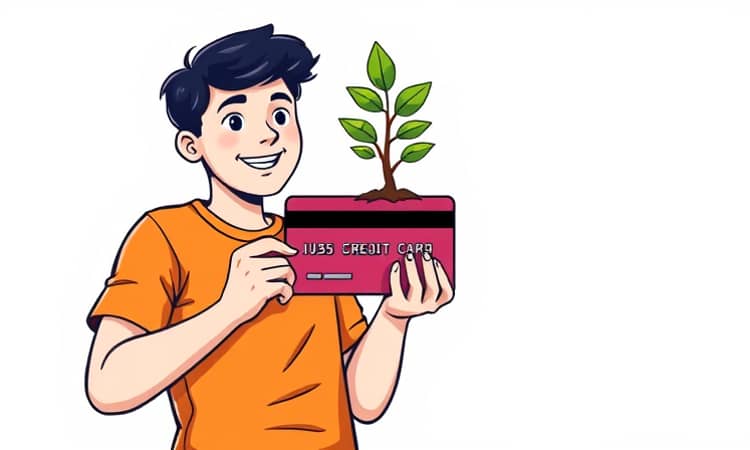
Stepping into adulthood brings exciting opportunities, but it also introduces complex financial responsibilities.
For many students, managing money independently can feel overwhelming, yet it's a crucial part of growing up.
Student credit cards are designed to help you build credit from scratch, providing a safe and structured way to learn about borrowing.
With the right approach, these cards can transform your financial journey from uncertain to empowered.
They are not just plastic; they are tools for crafting a brighter tomorrow.
This article will guide you through everything you need to know, from benefits to risks, ensuring you make informed choices.
What Are Student Credit Cards?
Student credit cards are specialized financial products tailored for young adults, typically those in college or recent graduates.
They are distinct from regular credit cards, with features that accommodate limited income and credit history.
Approval is often more lenient, requiring no prior credit score for some options, making them accessible to beginners.
This accessibility allows students to start their credit journey early, which is key for future financial health.
By using these cards responsibly, you can demonstrate creditworthiness to lenders over time.
It's a proactive step toward independence, blending education with practical experience.
The Benefits of Starting Early
One of the biggest advantages of student credit cards is the opportunity to establish credit history while still in school.
This early start can lead to better loan terms, lower insurance rates, and even rental approvals later in life.
These cards often come with perks that align with student lifestyles, enhancing their value beyond mere credit building.
- Easier approval processes, even with minimal or no credit history, reducing barriers to entry.
- Rewards tailored to common expenses, such as cash back on groceries, gas, and streaming services.
- Low or no annual fees, helping you manage costs without unnecessary financial strain.
- Features like 0% introductory APR periods, which can aid in making purchases without immediate interest charges.
- Access to financial tools, such as free credit score monitoring, to track your progress and learn along the way.
By leveraging these benefits, you can turn everyday spending into a foundation for financial success.
It's a smart way to integrate credit into your life without overwhelming complexity.
Understanding Usage and Payment Patterns
How students use their credit cards reveals important habits and trends that can inform responsible management.
Statistics show that many students rely on cards for essential expenses, blending convenience with necessity.
For example, in 2019, 57% of college students had a credit card, indicating widespread adoption.
Usage patterns vary, with cards often employed for both small and large purchases, reflecting diverse needs.
- For in-store purchases under $20, 21% of students used credit cards, up from 18% in 2016.
- For larger in-store purchases over $20, credit card usage rose to 32%, showing trust in bigger transactions.
- Online purchases under $20 saw 28% credit card use, highlighting digital comfort among younger generations.
- Overall, 86% of students utilized mobile payments in 2019, indicating a shift toward tech-savvy financial behaviors.
- Payment habits are encouraging, with 57% of students always paying more than the minimum due, fostering discipline.
These patterns underscore the importance of mindful spending to avoid pitfalls.
By tracking your usage, you can develop healthy financial routines that last a lifetime.
Debt and Balance Trends: A Closer Look
Debt is a common concern with credit cards, but understanding the data can help you navigate it wisely.
Average balances for students have been rising, yet they remain lower compared to national averages, offering perspective.
In 2019, the average student credit card balance was $1,423, up from $1,076 in 2016, reflecting increased reliance.
However, this is still below the U.S. average of $5,221, suggesting that students often manage debt more cautiously.
Generational comparisons show that Gen Z has the lowest total debt but the fastest growth rate, at 10.28% increase in late 2024.
This table illustrates that while debt exists, it's often manageable with proper strategies.
By staying informed, you can avoid the trap of high-interest balances and focus on growth.
Popular Student Cards and Their Features
Choosing the right student credit card is crucial, as different cards offer varied rewards and benefits to suit your needs.
Popular options are designed with students in mind, providing incentives that make everyday spending rewarding.
For instance, some cards offer cash back on categories like dining or entertainment, aligning with typical student expenses.
- Capital One Quicksilver Student Cash Rewards: Provides 1.5% unlimited cash back, a $50 bonus after initial spending, and no annual fees.
- Capital One Savor Student Cash Rewards: Features enhanced rewards, such as 8% back on entertainment and 5% on travel, ideal for active lifestyles.
- Student Mastercard from USC Credit Union: Includes rewards programs, identity theft protection, and fraud alerts for added security.
- General perks across cards: Cash back on streaming services, purchase protection, and tools to build credit through consistent reporting.
These examples show how cards can be tailored to help you maximize benefits while learning.
By selecting a card that matches your spending habits, you can earn rewards responsibly and boost your financial toolkit.
Risks and Tips for Responsible Use
While student credit cards offer many advantages, they also come with risks that require careful attention.
Higher APRs, averaging around 23.04% in 2024, can lead to costly debt if balances are carried over time.
Credit limits are typically lower, often starting at $500, which can tempt overspending if not monitored closely.
To mitigate these risks, it's essential to adopt responsible habits from the start.
- Always pay your balance in full each month to avoid interest charges and build credit without debt.
- Set spending limits based on your budget, ensuring you don't exceed what you can afford to repay.
- Use mobile apps to track transactions and set alerts for due dates, keeping you organized and proactive.
- Avoid using cards for tuition or large expenses unless absolutely necessary, as this can increase debt burdens.
- Educate yourself on credit scores and reports, using free tools provided by card issuers to stay informed.
By following these tips, you can turn potential risks into opportunities for financial discipline and growth.
Remember, the goal is not just to have credit, but to use it wisely as a stepping stone.
Broader Context and Future Outlook
The landscape of student credit cards is evolving, with trends that highlight both challenges and opportunities.
For example, student card accounts have declined by 73% since 2009, possibly due to increased financial caution or alternative options.
Despite this, Gen Z is embracing credit, with 22% owning student cards compared to 10% of Millennials, showing a shift in attitudes.
Financial education gaps persist, with only 24% of students feeling they have excellent money skills, underscoring the need for guidance.
- 36% of young consumers prioritize emergency savings over debt payoff, indicating a balanced approach to financial health.
- 57% of students occasionally face trade-offs between school payments and basic needs, highlighting the pressures of student life.
- Recent data shows that 42.1% of undergraduate students had credit card debt in 2023, down from 46.1%, suggesting improving habits.
These trends remind us that building a foundation requires adaptability and continuous learning.
By staying aware of broader shifts, you can navigate financial uncertainties with confidence and resilience.
Conclusion: Your Path to Financial Independence
Student credit cards are more than just a financial product; they are a catalyst for personal growth and stability.
By starting early, you can harness their benefits to build a credit history that opens doors in the future.
Remember to use them responsibly, focusing on payments and limits to avoid common pitfalls.
With the right card and mindset, you can transform your student years into a period of financial empowerment.
Take action today by researching options, setting goals, and committing to a journey of smart credit management.
Your foundation is waiting to be built—embrace it with courage and clarity for a brighter tomorrow.