In today's fast-paced financial world, credit cards serve as powerful tools for convenience and security, yet they also harbor risks that can derail your economic stability if misused.
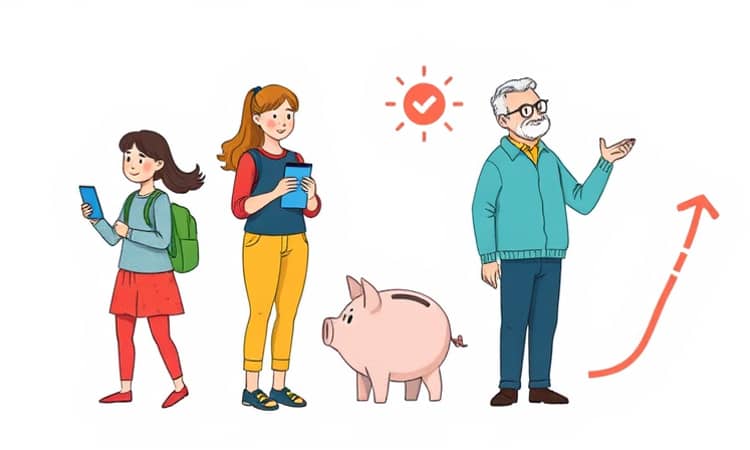
This guide is designed to inspire and educate users across generations, from teens taking their first steps to seniors safeguarding their retirement, by fostering habits that promote financial wellness and resilience.
With rising debt levels and increasing fraud incidents, mastering responsible credit card use is more critical than ever for achieving long-term peace of mind.
Imagine a life where credit cards enhance your purchasing power without the burden of stress; this vision is attainable through informed decisions and proactive management.
The Power and Peril of Plastic
Credit cards unlock a realm of possibilities, from seamless online shopping to robust fraud protections and rewarding cash back offers that enrich your financial experience.
However, the ease of access can lead to overspending, with high interest rates turning small balances into significant debt that strains budgets.
- Key benefits include emergency funding, travel perks, and enhanced purchase security.
- Major risks involve accruing interest, penalty fees, and vulnerability to identity theft.
Balancing these aspects requires mindfulness and strategy to harness the advantages while mitigating the dangers.
By the Numbers: Credit Card Statistics Today
Recent data reveals that the average American holds 3.7 to 3.9 active credit cards, reflecting a slight decline from previous years but still indicating widespread reliance.
Alarmingly, 46% of cardholders carry debt, with average balances around $6,500, underscoring the need for disciplined usage.
Delinquency rates, while stable, remind us that financial missteps can impact credit scores and future borrowing capabilities.
This table illustrates the varied interest rates that influence repayment costs, emphasizing the importance of selecting cards aligned with your financial goals.
Age-Specific Insights and Risks
Credit card needs differ across life stages, requiring tailored approaches to maximize benefits and minimize pitfalls for each demographic.
- Teens and Young Adults: Often start as authorized users; focus on building credit history with secured cards.
- Adults: Manage higher credit limits and balances; prioritize debt reduction and utilization control.
- Seniors: May have established credit but face increased fraud risks; monitor statements diligently.
For example, 60% of Gen Z had a card in their early 20s, highlighting early adoption trends that demand guidance to prevent future financial strain.
Universal Best Practices for Smart Use
Regardless of age, adopting core habits can safeguard your financial health and ensure credit cards work for you, not against you.
Save Wisely: Begin by choosing cards with low interest rates and avoiding penalty fees that can escalate quickly.
- Opt for low-interest options, especially for teens using student cards.
- Steer clear of cards with high penalty rates that spike unexpectedly.
Spend Responsibly: Maintain credit utilization under 30% to boost your credit score and demonstrate financial discipline.
- Use cards for online and large purchases to leverage superior fraud protections.
- Strive to pay balances in full monthly to avoid accruing costly interest.
Protect and Monitor: Transition to paperless statements and review them monthly for errors or unauthorized activity.
- Given that 80% of fraud targets online transactions, utilize all available security features.
- For authorized users like teens, parents should actively monitor and educate on safe usage.
Debt Strategies: Avoid making only minimum payments, a habit of 22% of users that risks delinquency and higher costs.
- Consider balance transfers with 0% introductory APR to manage and reduce existing debt.
- Set up automatic payments to ensure timely bills and avoid late fees that damage credit.
Navigating Debt and Delinquency
Effective debt management is crucial, with average household debt under $11,000 but still posing a significant burden for many families.
Avoid the trap of making only minimum payments, which can prolong debt and increase total interest paid over time.
- Prioritize repaying high-interest debt first using methods like the avalanche approach.
- Seek professional financial advice if balances become unmanageable to prevent long-term damage.
Staying proactive helps maintain healthy credit scores and financial freedom, allowing you to focus on life's other priorities.
Protecting Yourself from Fraud
Credit card fraud is escalating, with 53% more cases in 2023 compared to pre-2019 levels, making vigilance a non-negotiable practice.
Implement robust security measures to shield your accounts and personal information from malicious actors.
- Enable two-factor authentication on all online accounts to add an extra layer of protection.
- Regularly update passwords and monitor credit reports for any suspicious activity that could indicate fraud.
- Report any suspected fraud immediately to your card issuer to minimize losses and restore security.
These steps empower you to safeguard your financial identity and enjoy the benefits of credit cards with confidence.
Economic Context and Future Outlook
The broader economic environment shapes credit card usage, with factors like inflation and interest rates influencing consumer behavior and debt levels.
Forecasts suggest modest balance growth amid 2.45% inflation and 4.5% unemployment, highlighting the need for adaptability in financial planning.
By staying informed about trends and maintaining resilient financial habits, you can navigate uncertainties and thrive in the evolving financial landscape.
In conclusion, responsible credit card use is a lifelong journey that blends education, discipline, and proactive management.
Embrace these insights to transform your relationship with credit, achieving stability and empowerment at every stage of life.