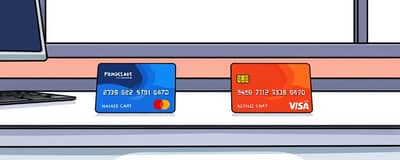
Managing money in today's world often feels like walking a tightrope between security and opportunity.
Prepaid cards provide a safety net for those wary of debt, allowing you to spend only what you have loaded in advance.
On the other hand, credit cards can be tools for building a brighter financial future, but they come with risks that require careful handling.
This guide delves deep into the nuances of both options, offering practical insights to help you navigate your financial journey with confidence and clarity.
Whether you're a budgeting novice, a savvy spender, or someone rebuilding credit, understanding these cards is the first step toward financial empowerment.
Core Definitions and How They Work
Prepaid cards are simple yet powerful financial instruments.
You load funds onto them before use, and transactions are limited to the available balance, much like a digital wallet.
They don't require a linked bank account or credit check, making them accessible to many, including the unbanked or those with poor credit.
Credit cards, in contrast, offer a line of credit from a lender.
You can borrow money up to a set limit and repay it later, often with interest if not paid in full each month.
This borrowing capability ties directly to your credit score, influencing your financial health over time.
- Prepaid cards: Funded upfront, no debt risk.
- Credit cards: Borrow now, repay later, with credit implications.
Pros and Cons: Weighing Your Options
Every financial tool has its strengths and weaknesses.
Understanding these can help you choose what aligns best with your goals.
Let's break down the advantages and disadvantages of each card type.
Prepaid cards shine in scenarios where control and accessibility are paramount.
They prevent overspending since you can't exceed your balance.
This makes them ideal for budgeting, travel, or giving to children.
However, they often come with fees that can add up, such as activation or ATM charges.
- Prepaid card pros: No debt, easy access, good for online security.
- Prepaid card cons: High fees, no rewards, no credit building.
Credit cards, meanwhile, offer rewards and perks that can enhance your lifestyle.
From cashback to travel miles, these benefits are hard to ignore.
They also help build credit history when used responsibly.
But misuse can lead to debt and damage to your credit score.
- Credit card pros: Rewards, credit building, purchase protections.
- Credit card cons: Debt risk, interest charges, requires good credit.
Key Differences at a Glance
To make an informed choice, it helps to see a clear comparison.
The table below summarizes the main aspects of prepaid and credit cards.
This table highlights how prepaid cards prioritize control, while credit cards focus on flexibility.
Consider your spending habits and financial goals when evaluating these factors.
Who Should Use Which Card?
Choosing the right card depends on your unique situation.
Prepaid cards are best for those seeking simplicity and safety.
They suit people who want to avoid debt or have no access to traditional banking.
- Ideal for: Budget control, underbanked individuals, travelers, gig workers.
- Examples: Netspend All-Access for direct deposit; retail programs like Zaggle.
Credit cards, on the other hand, are tailored for those looking to grow their financial footprint.
They benefit users who can manage repayments and aim to build credit.
- Ideal for: Reward seekers, credit builders, large purchase planners.
- Examples: AmEx Business Platinum for travel perks; BILL Smart Card for budgeting.
Navigating Fees and Security Concerns
Fees can erode the value of any card, so it's vital to read the fine print.
Prepaid cards often have multiple charges, from loading fees to monthly maintenance.
These can total over 15% of the card's value, making cost awareness essential.
Credit cards might have annual fees or high interest rates, but they offer robust fraud protections.
Regulations like Regulation Z provide some safety nets for prepaid cards, but credit cards generally have stronger backup.
Security features are evolving rapidly with tech trends.
EMV chips and biometrics enhance safety for both types.
Always monitor your accounts and report suspicious activity promptly.
Future Trends and Smart Financial Choices
The financial landscape is shifting, with digital payments on the rise.
By 2026, projections show the prepaid card market growing significantly, driven by millennials and gig workers.
Contactless and mobile wallet usage is increasing, making cards more convenient than ever.
- Trends: Digital payments reaching $20.37T; AI for fraud detection; cashless societies.
- Adoption: 67% of millennials prefer prepaid for budgeting; gig economy fuels usage.
To make a smart choice, assess your needs regularly.
Consider starting with a prepaid card to build discipline, then transition to a secured credit card for credit building.
Read all terms to avoid hidden fees, and use cards as tools, not crutches.
Embrace the journey toward financial literacy, where every decision brings you closer to your goals.
With knowledge and mindfulness, you can turn these cards into allies for a secure and prosperous future.