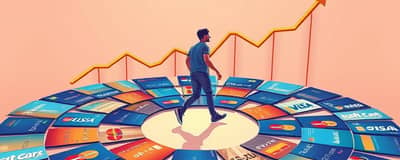
Imagine carrying a wallet stuffed with loyalty cards, each promising rewards and discounts.
The average U.S. consumer now belongs to 15+ loyalty programs, a number that has surged by about 10% since 2022.
This saturation is turning our pursuit of benefits into clutter, leaving many rewards underutilized or forgotten.
As traditional travel programs from airlines and hotels face competition, credit card loyalty schemes are stepping into the spotlight.
They offer flexible points and cash-back that can rival or even surpass the perks of dedicated travel memberships.
Yet, with shifting consumer behaviors and economic pressures, the question looms large.
Is your credit card truly delivering optimal value, or is it just another piece of plastic gathering dust?
The Shift in Consumer Loyalty
Consumer habits are evolving rapidly, influenced by digital trends and spending priorities.
Debit purchases have risen by 5.2% year-over-year, outpacing credit card growth.
This reflects a cautious approach where essentials like groceries and fuel take precedence.
Digital wallets are becoming the go-to for managing rewards, with 48% of people storing four or more loyalty cards digitally.
This shift isn't just about convenience; it's about engagement and efficiency.
- 73% of consumers modify their spending to maximize benefits from loyalty programs.
- 66% admit that rewards directly influence their purchasing decisions.
- Digital card users have an 82% purchase rate, up significantly from previous years.
- 43% prefer digital cards over brand-specific apps for points management.
These trends highlight a profound change in how we interact with loyalty programs.
Credit card rewards are now viewed as superior by a third of travelers compared to traditional options.
This marks a turning point in the tourism and retail industries.
Comparing the Giants: Credit Card vs. Traditional Programs
To understand which loyalty path is best, it's essential to compare the key players.
Credit card programs like Chase Ultimate Rewards and Capital One Miles offer unparalleled flexibility.
They allow redemption across travel, cash-back, and everyday purchases.
In contrast, airline and hotel programs are often limited to brand-specific rewards.
This comparison shows why credit cards are gaining ground.
Their ability to adapt to everyday spending habits makes them more relevant.
However, they are not without their own set of challenges.
Navigating the Challenges
Despite their advantages, credit card loyalty programs face significant hurdles.
Economic pressures, such as interchange fee scrutiny, are reducing the funding available for rewards.
This can lead to less generous benefits over time.
- Engagement decline is a major issue, with only 50% of rewards being redeemed on average.
- Fraud risks are growing, with loyalty accounts becoming targets for takeover.
- Consumer fatigue from over-enrollment causes 77% of people to retract loyalty faster than before.
- Program changes are frequent, with 90% of owners planning revamps in the next three years.
These factors can erode the value of your credit card rewards if not addressed.
It's crucial to stay informed and proactive to protect your benefits.
Success Stories and Strategic Wins
Some financial institutions have found ways to thrive in this competitive landscape.
By shifting to relationship loyalty, banks can enhance customer retention and reduce costs.
For example, a multi-line bank case from 2023-2024 showed improved digital engagement.
- Citi ThankYou Rewards integrates points from cards, checking, and loans, leading to high customer satisfaction.
- Bank of America offers cash-back and points redeemable at retail and airlines, maintaining everyday relevance.
- Preferred Rewards programs use tiers based on monthly balances to tailor offers for affluent customers.
These success stories demonstrate that holistic approaches yield better results.
Banks with high advocacy see revenue grow 2.6 times faster, highlighting the power of trust.
Future-Proofing Your Rewards: 2026 Strategies
Looking ahead, strategies for maximizing credit card loyalty are evolving.
Focus on essentials spending, such as groceries and fuel, to align with consumer priorities.
Seasonal promotions around events like Amazon Prime Day can boost engagement.
- Target debit rewards for younger consumers to capture shifting spending habits.
- Use personalized offers, with 53% of program owners planning to implement them.
- Leverage digital integration through wallets to increase usage without app fatigue.
- Implement text alerts for location-based or expiring points to drive action.
These strategies ensure that your credit card rewards remain relevant and valuable.
They tap into the digital preferences of modern consumers for seamless management.
Your Personal Loyalty Audit: Is Your Card Delivering?
To ensure your credit card is working for you, conduct a simple loyalty audit.
Start by evaluating the redemption value of your points or cash-back.
Compare it to alternative programs to see if you're getting the best deal.
- Check if your rewards align with your spending on essentials and seasonal needs.
- Assess the flexibility of your points; can they be used for travel, cash, or merchandise?
- Review fraud protection measures to safeguard your account and rewards.
- Monitor engagement levels; are you actively redeeming or letting points expire?
- Consider digital management options to streamline access and usage.
This checklist helps identify gaps and opportunities for optimization.
Members who redeem rewards spend 3.1 times more annually, showing the potential benefits.
The Path Forward: A Tease for Tomorrow
The future of credit card loyalty is bright for those who adapt.
With top programs boosting revenue by 15-25%, there's significant upside for both consumers and issuers.
Embracing digital tools and personalized strategies can unlock hidden value.
As we move into 2026, the key is to stay agile and informed.
Your credit card should not just be a payment tool but a gateway to smarter spending.
By auditing your rewards and leveraging new approaches, you can turn loyalty into lasting financial gains.
The journey toward optimal rewards is ongoing, but with the right insights, it's within reach.