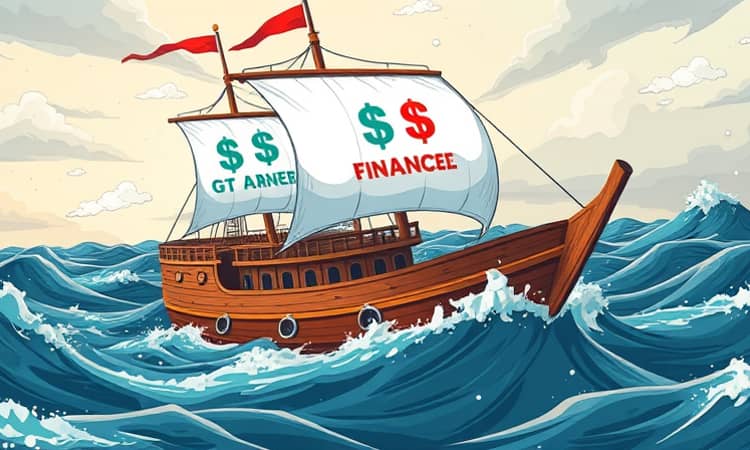
In an ever-shifting financial world, investors and businesses alike face uncertainty at every turn. Hedging strategies offer a path forward, empowering individuals to protect gains and limit losses. This article explores core concepts, actionable techniques, and practical examples to help you design a robust risk management plan that aligns with your unique goals and values.
Understanding the Fundamentals
At its heart, hedging is a holding positions of opposite sensitivity that offset potential losses with counterbalancing gains. Rather than eliminating risk entirely, it minimizes exposure and stabilizes outcomes. This approach is akin to insurance, providing a safety net against uncertain markets while allowing for upside participation.
Consider the shock of sudden market downturns or currency swings—without a hedge, portfolios and budgets can unravel in days. By deliberately pairing investments—one that may decline when another rises—you create a buffer that shields your assets from abrupt moves without sacrificing all growth potential.
Why Hedging Matters
Volatility can erode confidence and derail long-term plans. For businesses, unexpected costs—from ingredient prices to currency fluctuations—threaten profit margins. Individuals worried about retirement funds or education savings face similar fears. A well-executed hedge fosters predictability, keeps operating expenses in check, and maintains steady progress toward financial milestones.
Beyond stability, hedging sends a powerful message to stakeholders: you are prepared, proactive, and disciplined. In highly regulated environments such as banking, demonstrating rigorous risk management can bolster credibility, satisfy compliance requirements, and pave the way for future growth opportunities.
Key Hedging Strategies
- Diversification: Spread investments across asset classes—stocks, bonds, real estate—to reduce the impact of any single downturn. When equities stumble, higher-quality bonds or safe-haven currencies may provide stability, protecting long-term capital growth.
- Forward Contracts and Futures: Agreements to buy or sell an asset at a predetermined price on a future date. These tools lock in costs or revenues for businesses facing raw material or currency exposures, ensuring predictable cash flows even when markets swing violently.
- Options Strategies: Instruments like protective puts and collars cap downside risk while preserving some upside. A protective put grants the right to sell an asset at a fixed strike price, limiting losses without forfeiting all gains and offering peace of mind during turbulent times.
- Pairs Trading: A long-short approach that profits from price discrepancies between two correlated securities. By simultaneously buying the undervalued and shorting the overvalued, traders aim for market-neutral returns regardless of overall direction.
- Safe-Haven Assets: Allocation to gold, government bonds, or stable currencies such as the USD or CHF can serve as anchors during turbulent periods, safeguarding portfolio value when other sectors falter.
Advanced Instruments and Structures
For sophisticated portfolios, multi-leg options and dynamic methods offer finer control. Delta hedging, for instance, uses the relationship between option price sensitivity and the underlying asset to maintain a neutral exposure profile. This ensures minimal reaction to small price swings, though it demands constant recalibration and monitoring.
Layered and rolling forward contracts help businesses smooth earnings and match currency inflows with obligations. By staggering maturities and sizes, companies can average exchange rates or commodity costs, reducing the risk of sharp moves and preserving margin consistency over successive quarters.
Choosing the Right Strategy
Selecting an optimal hedge requires thorough assessment and personal reflection. Ask yourself:
- What is the time frame for my investment or liability?
- How much cost or complexity can I tolerate?
- What balance of risk reduction versus reward aligns with my goals?
- Do I need static protection or a dynamic approach that adjusts with market shifts?
Answering these questions builds clarity, ensuring that your chosen methods match your financial philosophy and resource capacity. Remember, the most elegant hedge is one you can maintain and understand.
Real-World Applications and Examples
Consider an airline facing volatile fuel prices. By entering into a futures contract, it locks in a target price per barrel, keeping operating costs predictable even when crude markets spike. Similarly, a global exporter concerned about currency risk might use forward contracts to stabilize revenue in its home currency, smoothing earnings and protecting shareholder value.
A tech investor worried about a sudden market correction might purchase protective puts on a core equity position. Though this insurance carries a cost, it grants peace of mind and the freedom to focus on long-term innovation rather than short-term shocks.
Bringing It All Together
Hedging is not a one-size-fits-all solution but a versatile toolkit to be tailored. Start with clear objectives, then combine strategies that complement your overarching plan. Use diversification as a foundation, overlay derivatives for targeted protection, and consider safe havens for extra resilience.
By weaving these elements into your investment or business strategy, you empower your portfolio against sudden downturns and cultivate the confidence to pursue long-term ambitions. In volatile times, a thoughtful hedge can transform uncertainty from an obstacle into an opportunity to strengthen and grow.
Embrace the practice of risk management as a proactive habit. Review your positions regularly, adjust to new market realities, and stay informed about emerging tools. With each strategic hedge you implement, you build not just financial safeguards but a mindset that champions preparedness and agility.
Your journey toward mastering risk begins today. Identify the vulnerabilities in your plans, explore the instruments that resonate with your vision, and take the first step toward crafting a resilient strategy. In doing so, you'll turn market challenges into stepping stones toward lasting success.