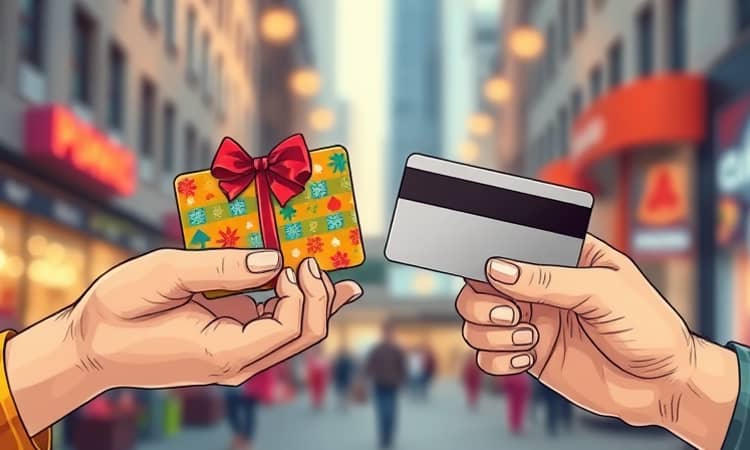
In today's fast-paced financial world, the choice between gift cards and credit cards is more than a simple transaction—it's a decision that can influence your spending habits, financial security, and even your emotional well-being.
Understanding the core differences between these two payment methods is crucial for making empowered choices that align with your goals and lifestyle.
Prepaid, one-time-use cards offer a straightforward approach to spending, ideal for gifting or controlled budgets, while credit cards provide a dynamic tool for building credit and accessing rewards, but they come with significant risks if mishandled.
This article will guide you through a detailed comparison, offering practical insights to help you navigate these options with confidence and clarity.
Understanding the Core Differences
Gift cards and credit cards serve fundamentally different purposes, each tailored to specific financial scenarios.
Gift cards are prepaid instruments designed for limited or one-time use, perfect for gifting or targeted purchases without the burden of debt.
Credit cards, on the other hand, are revolving lines of credit that allow ongoing spending, enabling users to build credit scores and access various perks, but they require disciplined management to avoid pitfalls.
The key evaluation criteria include fees, flexibility, rewards, risks such as debt or fraud, usage restrictions, and long-term value.
For those seeking simplicity and no debt, gift cards are often favored, while credit cards excel for rewards and credit-building when used responsibly.
Types of Gift Cards and Their Uses
Gift cards come in various forms, each with distinct features and limitations.
Understanding these types can help you select the right card for your needs.
- Store-specific gift cards are restricted to a single retailer, such as Target or Amazon, with typically low or no fees after purchase, making them ideal for targeted gifting.
- General-purpose gift cards, like those from Visa or Mastercard, are usable anywhere the network is accepted, offering more flexibility but often come with activation fees ranging from $2.95 to $6.95.
- It's important to distinguish gift cards from prepaid debit cards, which are reloadable and may include features like ATM withdrawals, but gift cards lack these broader functionalities.
Choosing the right type depends on your intent—whether for a specific gift or more versatile spending.
Pros and Cons: A Balanced View
Both gift cards and credit cards have their advantages and drawbacks, which should be weighed carefully.
For gift cards, the pros include simplicity and convenience for gifting, as they come preloaded with a fixed amount, allowing recipients to choose within set limits.
- Low or no ongoing fees, especially with store brands, making them cost-effective.
- No debt risk, since you can only spend the loaded funds.
- Promotional perks, such as discounts or bonus credit, can add extra value.
- Flexibility for eGifts or virtual cards enhances online usability.
However, the cons of gift cards involve limited usage, with store cards restricted to one brand and potential expirations or inactivity fees that erode value over time.
- They are non-reloadable, meaning one-time use only.
- Fraud risks, including tampering and scams, are similar to other card types.
- Activation fees on general-use cards can add to initial costs.
- No cash access or broader financial functions limit their utility.
Credit cards offer significant benefits, such as building credit scores through responsible use like on-time payments and maintaining low utilization below 30%.
- Rewards programs provide cash back, points, and perks like lounge access, with examples offering up to 6% cash back on specific categories.
- Purchase protection and fraud liability are stronger than with gift or debit cards, offering better dispute resolution.
- Flexibility with no spending limits within the credit line and features like 0% APR intro periods.
- Financial tools, such as deferred interest options, can be advantageous if managed well.
Yet, the cons of credit cards are substantial, including high interest rates averaging 21.59%, which can compound debt if balances are not paid in full monthly.
- Various fees, such as late fees up to $40, annual fees that are rising, and others for foreign transactions or cash advances.
- Debt accumulation and overspending are common risks, with minimum payments extending debt for years.
- Credit damage from late payments or high utilization can lower scores significantly.
- Future risks in 2026 include higher borrowing costs due to inflation and unstable employment, potentially making credit less accessible.
Fees and Costs Breakdown
A clear comparison of fees is essential for making informed financial decisions.
The table below highlights key aspects to consider.
This table underscores that gift cards tend to have lower upfront costs but limited functionality, while credit cards offer more features at the risk of higher ongoing expenses.
Security and Fraud Risks
Both card types are susceptible to security threats, but the implications differ.
Gift cards face risks like tampering and hacking, which can lead to loss of funds, especially with expiration dates that may prompt rushed spending.
Credit cards, while offering better fraud liability protection, carry the risk of identity theft and credit damage if compromised, emphasizing the need for vigilant monitoring and secure practices.
Responsible use and awareness are key to mitigating these risks, regardless of the card type chosen.
Rewards and Financial Benefits
Rewards are a major draw for credit cards, but they come with conditions that must be understood.
Credit card rewards, such as cash back or travel points, can provide significant value, with some cards offering up to 6% cash back on specific purchases like groceries, though often with caps like a $6,000 annual limit.
Gift cards may offer promotional perks, but these are generally less substantial and more sporadic.
To maximize benefits, it's crucial to use credit cards strategically, paying balances in full to avoid interest that negates rewards, and to select gift cards from retailers where you frequently shop to ensure usability.
2026 Trends and Future Outlook
Looking ahead, financial trends in 2026 may impact the effectiveness of both card types.
For credit cards, rising inflation could lead to higher interest rates, potentially reaching 12–25%, making debt more costly and emphasizing the importance of disciplined spending.
Annual fees are also expected to increase, which might lead to more cancellations or reevaluations of premium cards.
Gift cards may see enhanced digital integration and more flexible terms, but their core limitations are likely to persist.
Staying informed about these trends can help you adapt your financial strategies proactively.
Practical Scenarios: When to Choose Which
Selecting the right card depends on your specific situation and goals.
- For gifting occasions, gift cards are ideal due to their simplicity and no-debt nature, allowing recipients to enjoy a personalized experience.
- For everyday spending, credit cards can be superior if you are disciplined enough to pay off balances monthly, leveraging rewards without accruing debt.
- For budgeting or controlled spending, gift cards offer a clear limit, preventing overspending.
- For building credit or accessing financial tools, credit cards are necessary, but require careful management to avoid pitfalls.
Consider your financial habits and objectives to make the best choice.
Expert Verdict and Final Thoughts
In conclusion, there is no one-size-fits-all answer to whether gift cards or credit cards are better; it hinges on your individual needs and financial discipline.
Gift cards excel in scenarios requiring simplicity, no debt risk, and targeted gifting, making them a safe and convenient option for many.
Credit cards, when used responsibly, offer unparalleled rewards and credit-building opportunities, but they demand vigilance to avoid high costs and debt accumulation.
Ultimately, the key is to approach both with awareness and intention, using them as tools to enhance your financial well-being rather than sources of stress.
By weighing the pros and cons, staying informed on trends, and applying practical tips, you can navigate this choice with confidence, turning everyday financial decisions into steps toward a more secure and fulfilling future.