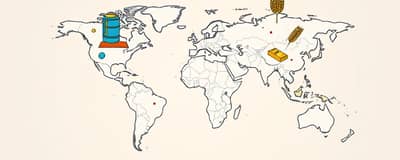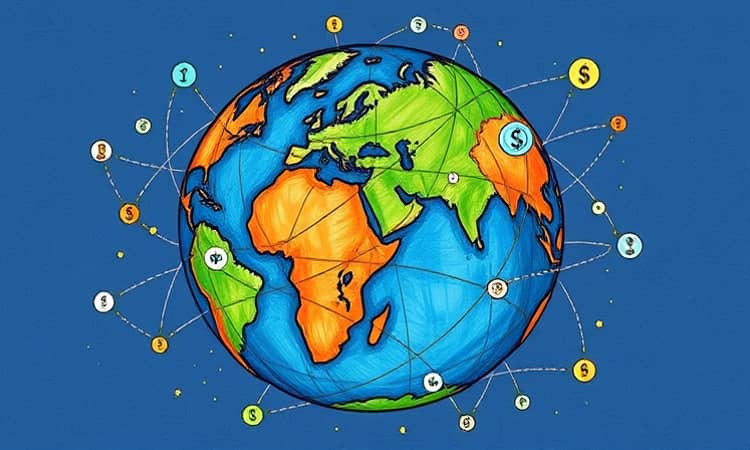
In an era of unprecedented global interconnectivity, geopolitical tensions are reshaping the very fabric of international markets.
The US-China great power competition stands as a defining force, influencing everything from trade policies to technological supremacy.
The ongoing Russia-Ukraine war and persistent Middle East conflicts add layers of complexity, driving volatility and uncertainty across continents.
For investors and businesses, understanding these dynamics is not just academic—it's a critical survival skill in a world where stability is no longer guaranteed.
Key Geopolitical Tensions for 2026
The landscape for 2026 is marked by several flashpoints that demand attention from all stakeholders.
These tensions are not isolated events but interconnected phenomena that shape global outcomes.
- US-China rivalry focuses on tariffs, semiconductors, and AI, with potential summits offering temporary relief.
- Russia-Ukraine war prolongs European instability, prompting defense spending increases.
- Middle East conflicts persist, fueling regional and global insecurity.
- India-Pakistan tensions in South Asia add to the volatility.
- Emerging risks in Venezuela and Asia highlight the expanding scope of geopolitical concerns.
Grey-zone operations, such as cyberattacks, further complicate this landscape, making national security priorities around AI and critical minerals more urgent.
Tariffs have become a geostrategic tool, constraining trade and disrupting supply chains globally.
Impacts on Global Markets and Banking
Geopolitical risks pose significant threats to financial stability and economic growth, affecting various sectors differently.
Geopolitical risks threaten bank stability, with smaller institutions being most vulnerable in times of escalation.
This fragmentation necessitates a strategic repositioning for investors seeking to navigate the new normal.
- Banks must enhance resilience through prudent risk management and capital buffers.
- Trade flows are shifting towards regional agreements, reducing dependency on global norms.
- Inflationary pressures demand innovative hedging strategies to protect portfolios.
Opportunities exist in critical minerals and defense, where demand is driven by security concerns.
Regional and Power Dynamics
Understanding the shifting roles of major powers is essential for anticipating market movements.
The US prioritizes America First policies, using tariffs and deregulation to shape economic outcomes.
China focuses on control and tech supremacy, exporting deflation and leveraging cheap infrastructure in emerging markets.
Europe faces economic sluggishness but boosts trade deals and narrows defense gaps with the US.
- Global South nations favor China's offerings, contributing to BRICS de-dollarization efforts.
- Climate change exacerbates risks, particularly for poorer nations, adding to global instability.
- GenAI vulnerabilities and weakening cooperation on pandemics highlight additional systemic threats.
Youth disillusionment in China and internal divisions in Europe underscore the human dimensions of these tensions.
Opportunities Amid Tensions
Despite the challenges, informed stakeholders can find avenues for growth and resilience in this volatile environment.
Active management for differentiated outcomes is key to capitalizing on market disparities.
- Invest in themes tied to national security, such as defense and AI technologies.
- Monitor potential US-China deals pre-summit for trade resolution opportunities.
- Leverage bilateral agreements to access new markets and reduce tariff exposures.
- Focus on sectors less vulnerable to geopolitical shocks, like essential services.
Positioning for a non-Goldilocks economy of high inflation and low growth can yield competitive advantages.
Emerging markets offer potential but require careful assessment of local political risks and inequality-driven discontent.
Practical Steps for Navigating the Landscape
To thrive amidst these tensions, investors and businesses must adopt proactive and informed strategies.
Start by conducting thorough geopolitical risk assessments tailored to your specific industry and region.
Diversify investments across geographic and asset classes to mitigate concentration risks.
- Build resilient supply chains by sourcing from multiple regions and investing in local capabilities.
- Stay updated on regulatory changes, especially in tariffs and data protection laws.
- Engage with stakeholders to understand local dynamics and anticipate shifts in consumer behavior.
- Incorporate ESG factors, including climate risks, into decision-making processes for long-term sustainability.
- Utilize technology like AI for real-time monitoring of geopolitical events and market impacts.
Foster agility in operations to quickly adapt to sudden changes, such as trade disruptions or cybersecurity threats.
Collaborate with industry peers and governments to advocate for stable policies and conflict resolution.
Remember that in this interconnected world, informed vigilance is your greatest asset against uncertainty.
By embracing these practices, you can not only survive but thrive, turning risks into opportunities for innovation and growth.