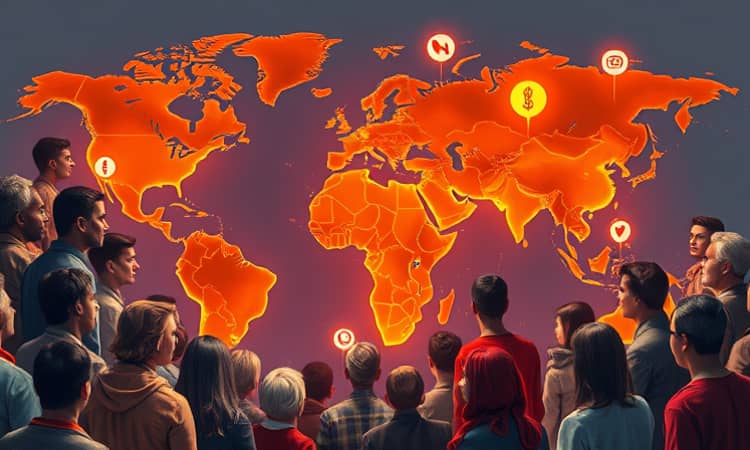
In an interconnected world, events on the global stage reach into our homes and bank accounts. From surging energy costs to shifting interest rates, modern conflicts and rivalries have become primary driver of inflation, borrowing costs and job stability. Understanding these forces empowers you to make smarter financial decisions.
Why Geopolitics Now Matters to Your Finances
Once viewed as distant background noise, geopolitical events now shape everyday expenses and long-term savings. Major institutions warn that geopolitical risk as a structural driver of growth, inflation, markets, and supply chains has only intensified since 2022. The IMF foresees global GDP expansion of just 3.0% in 2025 and 3.1% in 2026—below pre-pandemic norms—while trade disputes and military conflicts threaten further slowdowns.
The World Economic Forum highlights that trade fragmentation and rising economic nationalism could reduce growth in some scenarios to 2.3% next year. At the same time, the Federal Reserve of St. Louis describes “geopolitical fragmentation” as a catalyst for price volatility, disrupted capital flows, and uneven policy coordination—factors that directly influence household budgets, borrowing costs, and job security.
Key Transmission Channels to Your Wallet
Geopolitical events transmit their impact through several channels. By tracking these, you can anticipate budget pressures and adapt strategies:
- Energy and food prices
- Inflation and interest rates
- Jobs and wages
- Investment returns
- Taxes and currency moves
Russia–Ukraine War: Rising Utility and Grocery Bills
The conflict in Eastern Europe has unsettled global energy markets, particularly in Europe. Disruptions to gas, electricity, and heating supplies have pushed consumer energy bills skyward. In the EU, forecasts for growth have been trimmed to between 0.8% and 1.6%, as manufacturers face higher energy input costs and pass them along to consumers.
Food markets have also felt the strain. Ukraine and Russia are major exporters of grains and fertilizers; interruptions in those exports contribute to elevated grocery prices worldwide. Lower-income households struggle most with these increases, creating uneven social and economic outcomes across regions.
Middle East Tensions and Global Energy Volatility
Ongoing clashes in Israel–Hamas, Iran–Gulf standoffs, and broader regional rivalries keep oil and gas supplies on edge. CEOs rank these conflicts as the top geopolitical risk for energy prices in 2025. When shipments slow or ports close, gasoline, diesel, and home‐heating costs jump—and those increases ripple through transport, shipping fees, and consumer goods.
Since spikes in energy feed directly into headline inflation, central banks may hold policy rates higher for longer. That translates to pricier loans, mortgages, and credit card debt for households.
U.S.–China Rivalry: Tariffs, Tech Wars, and Consumer Costs
The renewed trade war between Washington and Beijing is redefining supply chains. With effective U.S. tariff rates near 18.2%—the highest since 1934—and proposals for duties up to 60% on certain imports, costs for electronics, appliances, and clothing climb. Many companies are relocating production to third-party nations, disrupting jobs in export‐oriented regions and raising wages where labor is more expensive.
For investors, targeted sanctions and export controls pose risks to tech, semiconductors, and emerging markets tied to China trade. In this environment, de-risking and decoupling of supply chains demands a fresh look at portfolio allocations and geographic diversification.
Growing Geopolitical Fragmentation and Deglobalization
A broader drift toward nationalism is reshaping the global economy. Experts warn that global trade system fragmentation can reconfigure trade routes, investment flows, and currency regimes—potentially costing up to $5.7 trillion if severe. For consumers, less efficient global trade can mean higher consumer prices and a narrower choice of imported goods.
Long-term investors may find it harder to diversify internationally, while pension funds and retirement accounts face increased volatility. Slower global growth also pressures wage increases and job creation in high-skilled sectors.
Inflation and Cost of Living: How to Stay Ahead
Inflation in advanced economies remains above pre-pandemic norms. Many prices—from rent to utilities—have reset to new, higher baselines. Even as headline rates ease, those elevated levels persist, fueling a perception that costs never go down.
Households can respond by:
- Reviewing energy providers and locking in fixed‐rate plans when possible
- Buying staples in bulk or during seasonal discounts to offset food price spikes
- Adjusting long-term budgets to incorporate permanently higher utility and grocery costs
Interest Rates and Borrowing Costs: Planning for Higher Rates
Geopolitical uncertainty feeds into central bank policies via inflation expectations and risk premiums on government bonds. In turn, mortgage rates, auto loans, and credit card APRs stay elevated. Renters often see higher leasing costs as landlords pass on financing increases.
Consider these steps:
- Shop around for the best mortgage or refinancing offers
- Build an emergency fund to avoid costly consumer credit
- Consolidate high-interest debts when rates lock in favorably
Jobs, Wages, and the Labor Market: Adapting to Change
Geopolitical shifts are redrawing the map of manufacturing and services. Energy shocks have spurred investment in renewables and efficiency, creating openings in green sectors. At the same time, reshoring and near-shoring can bring jobs back to domestic markets—but often at higher wage floors.
Workers can thrive by:
- Re-skilling in growth areas such as renewable energy and digital services
- Networking in emerging clusters tied to semiconductors, electric vehicles, and critical minerals
- Negotiating wages with awareness of rising labor costs in geopolitically preferred regions
Practical Strategies to Protect Your Wallet
In a world where global tensions influence your daily budget, a proactive approach pays off. Here are some universal tactics:
- Diversify your investments across regions to reduce exposure to any one conflict zone
- Shelter your budget from sudden price spikes by locking in fixed-rate plans and bulk purchasing essentials
- Monitor policy shifts—subscribe to reputable economic briefings or apps that flag key central bank decisions and tariff changes
- Invest in personal skills aligned with industries benefiting from new government subsidies and industrial policies
- Maintain an emergency fund equal to at least three months of expenses to weather unexpected cost surges
By understanding the channels through which geopolitics shapes prices, rates, and job markets, you can turn uncertainty into opportunity. Armed with foresight and practical tactics, you’ll be better equipped to navigate the ever-shifting landscape and safeguard both your present livelihood and long-term financial goals.