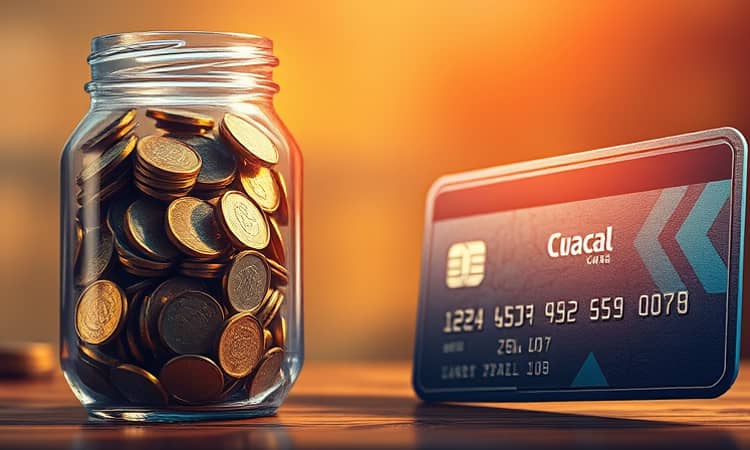
In today’s volatile economy, many individuals face sudden expenses without adequate savings. The choice between dipping into an emergency fund or charging costs to a credit card can define long-term financial health. Understanding both options is crucial for making informed decisions in times of crisis.
The Rising Dependence on Credit for Emergencies
Recent data paints a concerning picture: Americans carry $1.277 trillion in total credit card debt as of Q4 2025, representing a 66% increase since 2021. With the national average balance at nearly $7,886, many households lack the cushion to cover unexpected costs.
Delinquency concerns deepen the issue. Over 4.43% of borrowers were at least 30 days past due by mid-2024, and more than 12% of balances were 90 days or more overdue. These figures reveal a growing pattern of reliance on credit cards as emergency substitutes.
The Hidden Costs of Credit Card Emergencies
Credit cards offer immediate access to funds, but at a steep price. While making purchases within the grace period can be interest-free, carrying balances beyond 30 days unleashes high double-digit interest rates and late fees that amplify debt. Cash advances are even more punitive, with interest accruing instantly and additional fees compounding the balance.
Beyond the financial charges, frequent credit usage can damage credit scores through higher utilization ratios. This decline restricts borrowing power and can elevate insurance premiums and loan rates.
Building a Resilient Emergency Fund
Saving proactively offers a stark contrast. Experts recommend maintaining three to six months' worth of living expenses in an accessible account. Even a modest starter fund of $500 can prevent small emergencies from spiraling into overwhelming debt.
Storing these savings in federally insured savings accounts ensures both security and liquidity. By setting aside funds today, you protect your future self from the burden of borrowing.
Smart Credit Card Strategies When You Need Access
When emergency funds fall short, strategic credit card use can reduce costs. Consider these options carefully:
- Apply for a 0% introductory APR credit card on purchases to delay interest.
- Leverage cards with purchase protection benefits when buying essentials.
- Always pay balances within the grace period to avoid interest charges.
- Limit cash advances and understand all associated fees before proceeding.
Demographics and Long-Term Implications
Credit card debt is not uniform across age groups. Americans aged 40–49 carry the highest balances, while those 18–29 maintain the lowest. Regional differences also matter: Connecticut averages $9,778 in debt per cardholder, compared to just $4,887 in Mississippi.
Relying on credit for emergencies can lead to long-term financial consequences. Continual borrowing traps individuals in cycles of repayment, eroding net worth and delaying major life milestones like homeownership or retirement.
Practical Steps: Transitioning from Borrowing to Saving
Shifting from credit dependence to robust savings requires intentional action. Start with small, manageable changes and build momentum:
- Set up automatic transfers to a dedicated savings account each payday.
- Identify and reduce non-essential expenses to free up cash flow.
- Establish micro-savings goals, such as $50 weekly contributions.
- Review and adjust your budget monthly to stay on track.
- Redirect windfalls—tax refunds or bonuses—into your emergency fund.
By consistently following these steps, you’ll cultivate a habit of saving and steadily grow your financial safety net.
Embracing a Secure Financial Future
Choosing between an emergency fund and a credit card isn’t just about immediate convenience—it’s a decision that shapes your financial trajectory. While credit cards may offer a quick fix, their hidden costs and risks often outweigh short-term benefits.
In contrast, a well-funded emergency account embodies foresight and resilience. It empowers you to face unforeseen challenges without sacrificing your financial stability. Start saving today and give your future self the gift of peace of mind.