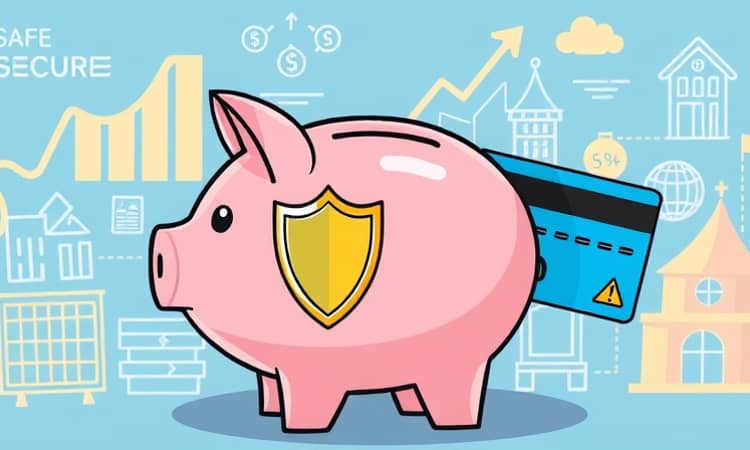
Financial stability often hinges on one crucial decision: how to handle unexpected expenses.
Choosing between an emergency fund and a credit card can define your long-term financial health.
This guide will help you understand why emergency funds first is a mantra for success.
It’s about more than just money—it’s about peace of mind and avoiding debt traps.
Understanding the Emergency Fund
An emergency fund is a dedicated savings account for unforeseen events.
It covers costs like medical bills, job loss, or urgent home repairs without borrowing.
This fund provides a safety net that ensures you can weather storms independently.
Experts recommend saving three to six months of essential expenses.
Store it in liquid accounts like high-yield savings for easy access.
- Automate transfers from your paycheck to build consistently.
- Treat it as a non-negotiable expense in your budget.
- Maintain small contributions even after reaching your goal.
This approach builds confidence and prevents reliance on debt.
The Credit Card Dilemma
Using a credit card for emergencies might seem convenient.
However, it involves borrowed money that must be repaid with interest.
High APRs can lead to debt accumulation quickly.
Credit cards should only serve as a last resort, not a primary plan.
Consider alternatives like 0% APR cards if absolutely necessary.
This comparison highlights why prioritizing savings is essential.
Why Prioritize Emergency Fund First
Building an emergency fund first protects you from high-interest debt.
It creates a financial cushion that allows for better decision-making.
Credit cards can trap you in cycles of repayment, delaying real savings.
Use a decision framework to evaluate unexpected expenses.
- Assess the amount, timeline, and urgency of the cost.
- Check if you have high-interest debt to avoid compounding issues.
- Determine if your savings cover the full amount.
- Explore payment plans or other non-credit options first.
This logic ensures you use savings before credit to dodge fees.
Building Your Emergency Fund: A Step-by-Step Guide
Start by setting a realistic goal based on your necessary expenses.
Focus on essential costs like housing, food, and utilities.
Automate contributions to make saving effortless and consistent.
- Begin with small, manageable amounts to build momentum.
- Increase contributions over time as your income grows.
- Use high-yield accounts to earn interest on your savings.
This method turns saving into a habit that enhances financial security.
When Credit Cards Can Be a Last Resort
In rare cases, credit cards might be necessary if savings fall short.
Opt for options with 0% introductory APR to minimize costs.
Ensure you have a plan to repay quickly to avoid interest buildup.
- Only use credit if no other alternatives are available.
- Monitor your credit score to qualify for better terms.
- Treat it as a supplement, not a replacement for savings.
This cautious approach prevents debt from spiraling out of control.
Real-World Statistics and Risks
Current data underscores the importance of this choice.
Total U.S. credit card debt remains high, posing significant risks.
- Average household debt is around $11,000, with per-cardholder amounts rising.
- Interest rates average under 23%, but can still lead to delinquency.
- Delinquency rates are elevated, with many making only minimum payments.
- State variations show higher debt burdens in areas like Alaska.
These stats highlight why avoiding debt cycles is critical.
Post-Emergency Recovery and Long-Term Strategy
After using your emergency fund, focus on rebuilding it promptly.
Analyze your expenses to identify areas for adjustment.
Set aside monthly amounts to replenish savings over time.
- Categorize costs into fixed and flexible to optimize your budget.
- Reduce non-essentials to free up more money for savings.
- Use this as an opportunity to strengthen your financial habits.
This recovery phase ensures you’re prepared for future emergencies.
Prioritizing an emergency fund over credit cards is a powerful step toward financial freedom.
It builds resilience and empowers you to face challenges without debt.
Start today by setting a savings goal and automating your contributions.
Your future self will thank you for the peace of mind it brings.