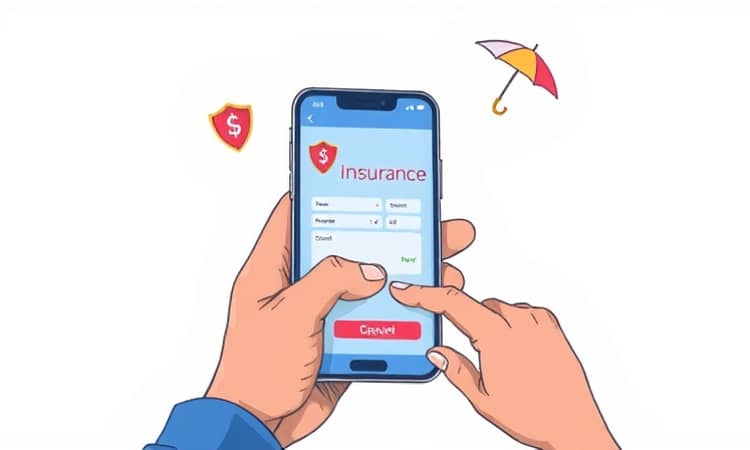
Imagine buying a new smartphone online and, with just a click, adding protection against accidents or theft right at checkout.
This seamless experience is the power of embedded insurance, transforming how we access safety in our daily lives.
It integrates coverage directly into purchases, offering convenient protection at the point of sale, making insurance as easy as adding an item to your cart.
What Is Embedded Insurance?
Embedded insurance is a modern approach where insurance coverage is woven into the purchase or use of another product or service.
Customers can opt-in during checkout or have it built-in automatically, eliminating the need for separate policies.
This model is part of the broader embedded finance trend, bringing financial services like insurance into non-financial platforms.
It leverages digital ecosystems to provide contextual and timely protection solutions.
The Explosive Growth of Embedded Insurance
The market for embedded insurance is experiencing rapid expansion, driven by digital transformation and consumer demand.
Projections vary, but all point to significant growth in the coming years.
Key statistics highlight this trend.
- 31.6% of personal-lines buyers prefer embedded offers.
- Electronics protection holds a 43.1% revenue share in 2024.
- Online API channels account for 74.2% of premiums in 2024.
Drivers include seamless digital checkout demand and lower customer acquisition costs for insurers.
This growth is fueled by post-pandemic digital habits and API-first partnerships.
How Embedded Insurance Works
Embedded insurance operates through integration points in various digital platforms.
It uses real-time APIs to enable instant binding and coverage activation.
- Integration points include e-commerce checkouts, banking apps, and travel portals.
- Models vary from B2B, such as employee benefits, to B2C add-ons.
Benefits are widespread.
- For consumers: It provides contextual and convenient protection, closing protection gaps effectively.
- For businesses: It opens new revenue streams and enhances customer loyalty.
- For insurers: It allows better risk models via partner data insights.
This system ensures effortless and contextual coverage in digital ecosystems.
Real-World Examples Across Industries
Embedded insurance is applied across diverse sectors, making protection accessible everywhere.
- Travel: Airlines offer medical or travel cover during ticket purchases.
- E-commerce: Phone shops provide device insurance at checkout.
- Real Estate: Platforms like Zillow integrate climate risk information for home insurance.
- Mobility: Tesla uses real-time driving data for personalized insurance premiums.
- Hospitality: Airbnb includes AirCover for hosts and guests automatically.
These examples show how insurance becomes an integral part of everyday transactions.
Benefits for Everyone Involved
The advantages of embedded insurance extend to all stakeholders, creating a win-win scenario.
For consumers, it offers peace of mind and higher purchase completion rates.
- Contextual protection reduces the hassle of separate insurance shopping.
- It addresses specific needs, like shipping insurance for online orders.
For businesses, it drives diversified revenue and strengthens customer relationships.
- Lower acquisition costs through trusted platforms.
- Enhanced loyalty by providing added value at critical moments.
For the industry, it revolutionizes distribution with potential for 15-16% global share.
This model leverages digital ecosystems to close protection gaps efficiently.
Challenges and the Road Ahead
Despite its benefits, embedded insurance faces hurdles that must be navigated.
Regulatory compliance is a key challenge, with varying laws across regions like the 50 US states.
Data privacy concerns arise with the use of IoT and AI in micro-policies.
- Adhering to different regulatory frameworks requires careful planning.
- Ensuring data security in connected devices is crucial for trust.
The future outlook is promising, with opportunities estimated at $2.5 trillion by 2032.
Expansion into emerging markets and super-apps will drive further growth.
Trends like Embedded Insurance 2.0 focus on more effortless and integrated coverage.
This evolution promises a transformative impact on global insurance distribution.
Practical Steps to Embrace Embedded Insurance
To leverage embedded insurance, both consumers and businesses can take actionable steps.
For consumers, always look for opt-in options during online purchases.
- Evaluate the coverage offered at checkout for relevance and cost.
- Use embedded insurance to fill protection gaps in areas like travel or electronics.
For businesses, consider partnerships with insurance providers to integrate coverage.
- Implement API-driven solutions for seamless integration into platforms.
- Focus on industries with high growth potential, such as mobility or retail.
By adopting these strategies, one can harness the full potential of this innovative model.
Embedded insurance is not just a trend; it's a fundamental shift towards accessible protection.
As digital habits evolve, this approach will continue to redefine how we think about safety and security.
Embrace it to stay ahead in a rapidly changing world.