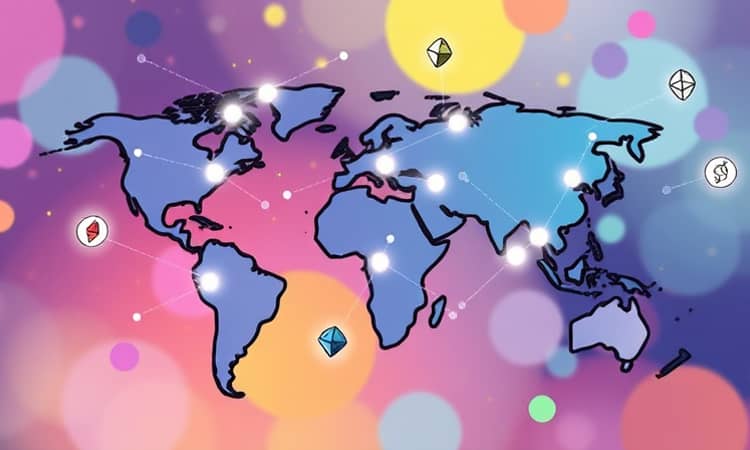
Imagine a world where communities can pool resources, make decisions democratically, and invest in ventures without centralized control.
Decentralized Autonomous Organizations (DAOs) are revolutionizing how capital flows globally by leveraging blockchain technology.
They empower individuals to participate in decentralized governance and funding, creating new economic paradigms that challenge traditional systems.
Understanding DAOs: The Foundation of Decentralized Capital
DAOs are member-owned communities that operate without centralized leadership.
They are managed by decentralized computer programs using blockchain for voting and financial transactions.
This structure ensures transparency, autonomy, and resistance to forgery through distributed ledgers.
- Decentralized governance: No central authority exists; decisions are made via token-based voting where governance tokens grant influence.
- Tokenomics: Members acquire governance tokens for voting rights, which can be traded or delegated.
- Treasuries: Built-in funds are accessible only with member approval and are fully auditable on-chain.
- Variations: Include DACs with tradable shares, DCOs for collaboration, and DisCOs emphasizing democratic co-ops.
DAOs enable coordination for diverse functions, acting as a technical governance solution that adapts to various business models.
A Brief History of DAOs: From Concept to Reality
The concept of DAOs originated from the Ethereum whitepaper in 2013 by Vitalik Buterin.
He described them as virtual entities with shareholder-like rights enforced by blockchain technology.
- The DAO (2016): The first major example on Ethereum raised Ether for investments but ended in a hack, leading to a hard fork.
- Evolution: From early visions of incorruptible entities to modern platforms like Aragon and DAOstack.
- Growth: Post-2020, DAOs exploded with around 6,000 DAOs by June 2022 managing significant treasuries.
This history shows how DAOs have evolved from niche ideas to mainstream tools for capital management.
How DAOs Operate: Mechanisms for Decentralized Action
DAOs function through a combination of smart contracts and community participation.
Their operational mechanisms ensure efficient and democratic decision-making in real-time.
- Membership: Confirmed via wallet ownership of governance tokens, granting access and voting rights.
- Proposals and Voting: On-chain or off-chain processes with anti-spam measures like majority thresholds.
- Execution: Smart contracts handle tasks autonomously, such as funding withdrawals or investments.
- Platforms: Tools like Discord and Aragon facilitate discussion and transparency for all members.
This framework allows DAOs to operate smoothly while maintaining their decentralized ethos.
Comparing DAOs to Traditional Organizations
DAOs offer a stark contrast to traditional organizational structures, emphasizing community over hierarchy.
The table below highlights key differences that make DAOs unique and impactful.
This comparison underscores how DAOs provide greater autonomy and accountability in capital management.
Capital Models: Revolutionizing Funding and Investment
DAOs introduce innovative capital models that bypass traditional intermediaries.
They enable borderless and liquid funding through token-based mechanisms.
- Governance Tokens: Sold to fund treasuries, grant voting rights, and distribute profits as dividends.
- Treasury Management: Aggregate around $25 billion across DAOs for investments and grants.
- Investment DAOs: Govern DeFi protocols like AAVE or fund startups democratically.
- Crowdfunding: Direct community capital for projects without venture capitalists.
These models empower individuals to participate in global economic opportunities with reduced barriers.
Types and Use Cases of DAOs: Diverse Applications
DAOs are not one-size-fits-all; they adapt to various needs and industries.
This flexibility allows for innovative applications in capital deployment across sectors.
- Investment/VC DAOs: Fund blockchain startups and early-stage ventures.
- DeFi Protocol Governance: Manage decentralized finance platforms for community benefit.
- Grant-Making/Nonprofits: Allocate funds democratically to causes and projects.
- Entertainment/Collaborative: Support media, ride-sharing, or automated companies.
- Other Uses: Serve as crowdfunding platforms or decision apparatuses for virtual entities.
This diversity ensures that DAOs can address specific community needs and goals effectively.
Legal Landscape and Challenges: Navigating Uncertainty
The legal status of DAOs remains unclear in most jurisdictions.
They lack recognized personhood, posing potential liability risks for members in traditional systems.
- Governance Issues: Inactive token holders can hinder progress, requiring delegation mechanisms.
- Security: Hacks like The DAO incident highlight the need for robust code audits.
- Scalability: Preventing voting spam and integrating human actions for real-world tasks.
- Centralization Creep: Despite design, curators or delegates may centralize power over time.
Overcoming these challenges is crucial for sustainable growth and adoption of DAOs.
The Future of DAOs: Trends and Opportunities
DAOs are poised for continued growth, driven by technological advancements and community demand.
They represent a shift towards more open and democratic economic structures in the digital age.
- Adoption Surge: From niche concepts to thousands of DAOs managing billions in treasuries.
- Policy Focus: Increasing experimentation in regions like the U.S. for regulatory frameworks.
- Platform Integration: Easier deployment through tools like Aragon and integration with NFTs and DeFi.
- Global Impact: Enabling borderless collaboration and capital allocation for social and economic good.
By embracing these trends, individuals can leverage DAOs for personal financial empowerment and collective innovation.
To get started, explore platforms that offer governance tokens and participate in community discussions.
DAOs are not just a technological novelty; they are a practical tool for reshaping how we think about capital and collaboration.
Join the movement and be part of the future where every voice matters in economic decisions.