The COVID-19 pandemic didn't just disrupt lives; it sparked a revolution in how we handle money.
Credit cards, once mere pieces of plastic, have transformed into powerful digital tools.
This shift is reshaping our financial future in ways that demand our attention and adaptation.
As we navigate toward 2026, understanding these changes is key to thriving in this new era.
The Dawn of Digital Transformation
The pandemic accelerated trends that were once on the fringe.
Contactless payments became a hygiene necessity and now a preferred habit.
Global adoption rates soared to unprecedented levels, making tap-and-go the norm.
Virtual cards emerged as a secure alternative, hiding real data from merchants.
This evolution is driven by consumer demand for safety and convenience.
Here are the foundational shifts that set the stage:
- Contactless payments mainstreamed, with over 95% of US merchants now accepting them.
- Virtual cards surged, offering customizable limits and enhanced privacy features.
- Buy Now, Pay Later (BNPL) disrupted traditional credit, growing user bases rapidly.
- Consumer privacy became a priority through masked or burner card options.
These changes are not fleeting; they form the backbone of a resilient system.
Projections for 2026: Growth and Stability
Looking ahead, credit card balances are expected to see modest growth.
By the end of 2026, they may reach approximately $1.18 trillion.
This represents the smallest annual increase in over a decade, signaling cautious optimism.
Delinquency rates are projected to remain stable, reflecting tighter lending practices.
The average US FICO score might see a slight dip, but overall risk is managed.
To visualize these trends, consider the following data table:
This stability amid economic uncertainty highlights the sector's adaptability.
Evolving Technologies Shaping the Future
Technology is at the heart of this transformation, offering smarter, safer solutions.
Artificial intelligence personalizes experiences and reduces fraud false positives.
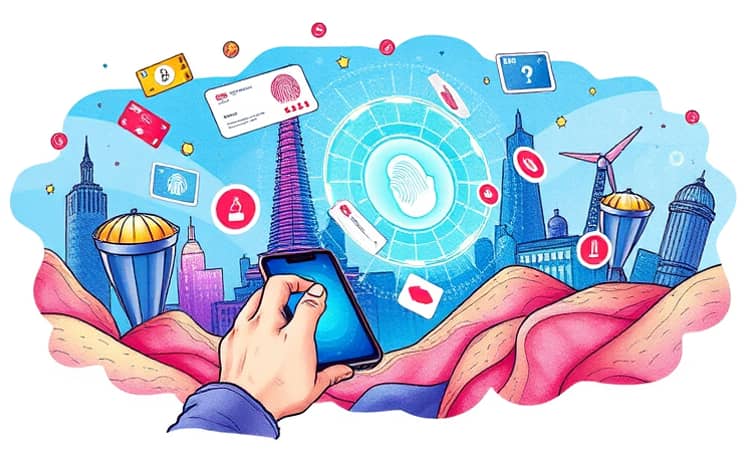
Biometric authentication is replacing physical cards for enhanced security.
Voice payments and wearables are expanding the payment ecosystem beyond smartphones.
These innovations empower users with greater control and efficiency.
Key trends to watch include:
- Contactless and beyond, with integrations into voice assistants and wearable devices.
- Virtual and masked cards, especially for business use with spend controls.
- BNPL integration, altering credit landscapes and competing with revolving credit.
- AI and personalization, enabling dynamic payment rules and smarter underwriting.
- Rewards evolution, with premium cards targeting quality users amid regulatory pressures.
Embracing these tools can lead to a more seamless financial life.
Stakeholder Insights in the New Landscape
Different groups are navigating this shift with unique perspectives and strategies.
Consumers prioritize contactless options, privacy, and spend controls for peace of mind.
Issuers and banks focus on prudent growth and flexible platforms to enhance customer experience.
Merchants benefit from real-time payments that free up capital and streamline operations.
Lenders leverage AI for better risk management and to serve responsible borrowers.
Here’s how each stakeholder adapts:
- Consumers: Use masked cards for privacy and set limits to manage budgets effectively.
- Issuers/Banks: Invest in ownership models and commercial cards for better economics.
- Merchants: Adopt QR codes and tokenization for seamless, secure transactions.
- Lenders: Utilize AI tools to reduce fraud and tailor offerings to creditworthy individuals.
Understanding these roles helps in making informed financial decisions.
Navigating Challenges and Seizing Opportunities
While the landscape is promising, it comes with hurdles that require smart navigation.
Challenges include slow growth, regulatory uncertainties, and high APRs that can strain budgets.
Opportunities abound in digital evolution, such as biometrics and AI-driven personalization.
Commercial expansion and enhanced loyalty programs offer new revenue streams.
By staying proactive, stakeholders can turn obstacles into advantages.
Practical steps to thrive in this environment:
- Monitor credit scores regularly to maintain financial health and access better rates.
- Explore virtual cards for online purchases to protect against fraud and data breaches.
- Use BNPL options wisely, ensuring they fit within your budget without leading to debt.
- Leverage AI tools provided by issuers for personalized financial insights and alerts.
- Engage with community banks for potentially lower APRs and personalized service.
These actions empower you to harness the benefits of this transformed system.
The journey post-pandemic is one of resilience and innovation, inviting us all to participate actively.
As we move forward, embracing change with knowledge and confidence will define success.
Let this new financial landscape be a canvas for smarter, safer, and more inclusive money management.