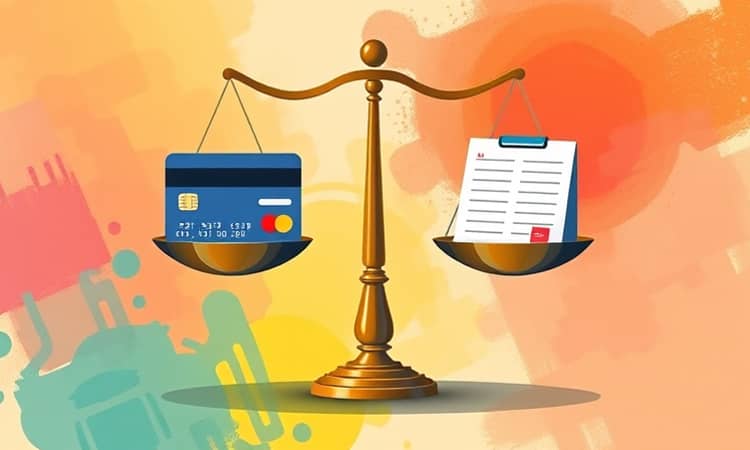
Credit cards can be both a powerful financial tool and a source of stress. When managed well, they offer convenience, purchase protection, and rewards that enhance your budget. However, without a clear plan, high interest rates and compounding fees can erode savings and derail your financial goals.
In this article, we explore how to achieve synergy between your credit cards and your overall budget. You will learn to assess your current situation, select effective budgeting methods, monitor spending with precision, and employ proven debt repayment strategies. Along the way, we will share practical tips and common pitfalls to avoid, so that you can harness credit cards as allies rather than adversaries in your journey toward long-term financial security.
Know Your Starting Point
Before creating any budget, you need clarity on where you stand today. A precise assessment of your cash flows and liabilities reveals opportunities and constraints. This step lays the foundation for every adjustment you make, ensuring plans reflect reality rather than guesswork.
- Gather all credit card and bank statements
- Calculate monthly surplus: income minus expenses
- Create a debt inventory with rates and due dates
- Monitor credit utilization, aiming below 35%
Understanding your credit utilization—the ratio of card balances to limits—plays a key role in your credit score. Keeping balances below 35% of your monthly income signals responsible behavior to lenders and can unlock better interest rates over time.
Choose Your Budgeting Framework
Selecting an approach that aligns with your goals transforms budgeting from chore to strategy. Whether you value structure or flexibility, there is a method to suit understanding your financial situation.
- 50/30/20 Rule: Allocate 50% to needs, 30% to wants, 20% to savings and debt repayment.
- Envelope Method: Use cash envelopes for categories to enforce spending limits.
- Zero-Based Budgeting: Assign every dollar a purpose until zero remains.
The 50/30/20 Rule simplifies allocation by grouping expenses. It offers flexibility while preserving space for savings and debt repayment. If you consistently run short on the “20%” portion, customize the split to 50/20/30 or adjust as needed.
The Envelope Method introduces tangible controls by using cash for categories. Physically placing bills in labeled envelopes can curb impulse purchases and sharpen your awareness of spending limits.
Zero-Based Budgeting demands that every dollar be assigned a task—whether rent, groceries, debt reduction, or emergency savings. This granular approach leaves no room for unplanned spending and forces regular review of priorities.
Track, Monitor, and Adjust
Creating a budget is only half the battle; consistent review identifies trends and anomalies before they become problems. Tracking spending across categories reveals where you might trim, reallocate, or invest more aggressively in debt repayment.
Financial institutions often provide automated categorization and alerts in their mobile apps. Enable notifications for large transactions, balance thresholds, and due date reminders. When you notice a spike in discretionary categories, revisit your budget and adjust envelopes or percentages accordingly.
If unexpected expenses arise—a medical bill, car repair, or sudden utility increase—move funds within your budget rather than tapping credit. This flexibility helps maintain control and prevents new debt from accumulating.
Strategic Debt Repayment
High-interest credit card debt can be a heavy anchor on your finances. Choosing a repayment strategy aligns your efforts with personal motivation—whether it’s the satisfaction of clearing accounts one by one or minimizing interest costs over time.
Below is a comparison of popular payoff methods:
While the Snowball method provides early psychological victories, the Avalanche method mathematically reduces total interest charges. Balance transfers can buy breathing room but require discipline to pay off balances before promotional rates expire. Review fees, transfer limits, and timeline restrictions before committing.
Whichever path you choose, automate payments and savings transfers where possible. This eliminates late fees and forces you to live within your limits, turning proactive habits into passive support mechanisms.
Maximize Benefits Responsibly
Credit card issuers flood the market with incentives—sign-up bonuses, category multipliers, and partner deals. By understanding your spending patterns, you can pick cards that align with where you actually shop, rather than chasing the flashiest offer.
Avoid the trap of overspending to earn rewards. Instead, manage spending on necessary categories and pay off balances in full each month. Set up a monthly calendar reminder to redeem points before they expire, and review program updates to avoid losing value through fee changes or devaluations.
Credit limits are another tool: assign lower limits to cards prone to casual spending and reserve high-limit cards for planned large expenses. This technique helps you maintain a healthy utilization rate and prevents impulse charges that can spiral out of control.
Common Mistakes and How to Avoid Them
As you pursue financial harmony, be vigilant for errors that can undo progress. Here are common mistakes and simple strategies to stay on track:
- Carrying revolving balances – aim to pay full balances monthly.
- Only making minimum payments – increases interest accrual.
- Overspending for rewards – defeats budgeting gains.
- Ignoring statement errors – review and dispute promptly.
- Missing due dates – set automated payments to protect your score.
Regularly schedule budget check-ins—weekly or biweekly—to catch slip-ups before they become habits. Leverage technology, like calendar alerts or budgeting apps, to keep commitments visible and accountable.
Conclusion: Building Long-term Financial Health
Achieving balance between credit cards and your budget is not a one-time task but an ongoing process. It requires vigilance, adaptability, and thoughtful choices. Each positive decision—paying in full, reallocating funds, consolidating debt—builds on the last.
Gradually, consistent efforts yield lower interest burdens, stronger credit scores, and a deeper sense of control over your financial future. By transforming credit cards from a source of anxiety into a deliberate component of your budget, you set the stage for growth, security, and freedom. Now is the moment to embrace these strategies, cultivate disciplined habits, and start building long-term financial health that lasts a lifetime.