Imagine turning everyday spending into a powerful tool for financial growth. With smart strategies and targeted reward usage, you can transform routine purchases into opportunities for budget-boosting rewards without spending more.
Budgeting Foundations: Integrate With 50/30/20 Rule
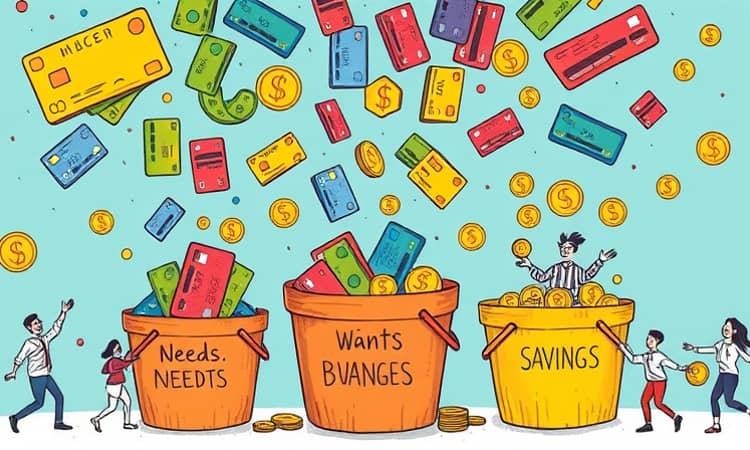
Successful budgeting starts with a reliable framework. The 50/30/20 rule allocates 50% of income to needs, 30% to wants, and 20% to savings or debt payoff. Credit cards can seamlessly fit this structure by earning as you spend.
By aligning each card with a category, you redirect rewards to your savings bucket and stretch your budget further.
Mastering Reward Types and Structures
Not all rewards are created equal. Tailor your card strategy based on three main structures:
- Cash Back Cards: Provide statement credits or checks, ideal for everyday spending.
- Points-Based Cards: Redeemable for travel, gift cards, or account credits; value varies by issuer.
- Miles Cards: Best for flight and hotel redemptions, often with transfer partners for maximum value.
Additional features like rotating 5x categories, spending tiers, and welcome bonuses can supercharge earnings if you plan quarterly and stay within caps.
Card Examples to Optimize Your Wallet
Choosing the right combination is vital. Here are top contenders for a balanced setup in 2026:
Chase Freedom Flex® offers 5x points in rotating categories and 3x on dining. Pair it with Chase Sapphire Preferred® to transfer points to travel partners. American Express® Gold shines with 4x points at restaurants and U.S. supermarkets (up to $50k annually). For uncategorized spending, Capital One Venture Rewards provides a flat earning rate and flexible redemptions.
Local or lesser-known cards, like the Advia Visa Platinum Advantage, may offer 3x on dining and delivery and targeted promos on gas or groceries. Always match merchant category codes (e.g., 5411 for groceries, 5812 for dining) to maximize category-specific rewards.
Automation Hacks for Consistent Growth
- Time Payments to Statement Close: Pay before the statement closing date to report lower credit utilization.
- Auto-Transfer Rewards: Set up monthly auto-deposits of cash back into savings or emergency accounts.
- Activate Rotating Categories: Schedule calendar reminders to enroll in quarterly bonus categories.
- Regular Inventory Reviews: Quarterly check of active cards to cancel overlaps, downgrade unused premium cards, and plan upcoming applications.
Automation turns good habits into effortless routines, ensuring credit card usage optimized for maximum benefit.
Risks and Best Practices
While rewards are alluring, pitfalls exist. Never carry a balance beyond grace periods—interest charges can obliterate gains. Watch annual fees and compare them to annual rewards value.
Beware of cash advances and fees, which are ineligible for rewards. Keep spending within your budget; rewards only matter if you pay in full each month. Familiarize yourself with terms like foreign transaction fees and redemption minimums.
Annual Strategy Reset for Ongoing Brilliance
Each year brings new offers and changing reward structures. Conduct an annual strategy review every January to identify:
- Personal financial goals (e.g., debt reduction, major travel)
- Cards to keep, cancel, or downgrade based on fee vs. benefit balance
- New cards to target unmet categories or higher annual bonuses
By treating your wallet like a dynamic portfolio, you ensure it evolves with your needs and market changes.
In 2026, apply these hacks to harness every swipe, turning routine purchases into strategic steps toward financial freedom. With clear goals, the right cards, and disciplined habits, you’ll gain budgeting brilliance through credit without spending a penny more.