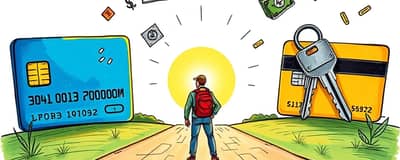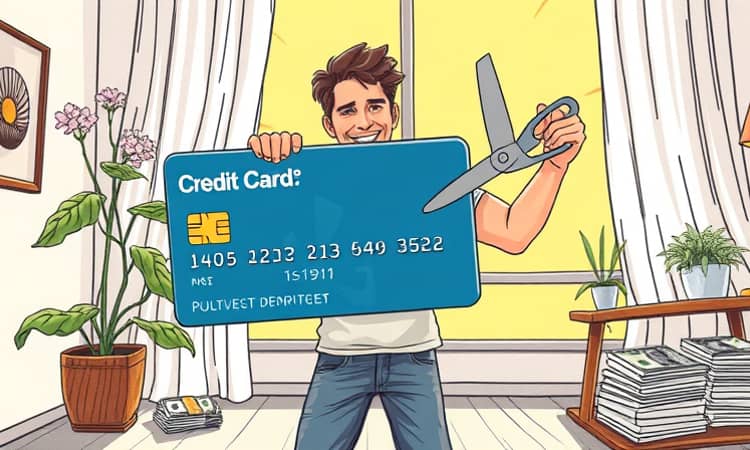
For millions of households, credit card balances have surged to historic levels, creating stress and limiting choices. Yet with clear strategies and determination, you can regain control, reduce balances swiftly, and lay the foundation for lasting financial freedom.
Understanding the Rising Tide of Debt
In Q4 2025, U.S. credit card debt reached a record $1.28 trillion in debt, eclipsing the pre-pandemic peak by 38%. Holiday spending, which typically drives Q4 balances up, combined with persistent inflation and high rates has pushed many consumers beyond their comfort zones.
Average debt among cardholders carrying unpaid balances climbed to $7,886 in Q3 2025, up 2.8% from early 2024. With interest rates above 20%, minimum payments often barely cover the accruing interest, trapping borrowers in long repayment horizons and fueling frustration across income levels.
- Holiday spending spikes intensify balances each year.
- Interest rates above 20% make carryover costs punishing.
- Post-pandemic rebound saw debt climb 66% since 2021.
- Younger and lower-income borrowers face the highest delinquency rates.
Profiles, Risks, and Broader Impacts
State-by-state averages in Q3 2025 ranged from $4,887 in Mississippi to $9,778 in Connecticut, underscoring regional disparities. Delinquency rates rose to 7.18%, signaling a K-shaped recovery where vulnerable households face mounting financial strain while others maintain stability.
In Canada, the average credit card debt per cardholder was $3,929 at the end of 2020. A 2026 survey found 52% of 18–34 year-olds expect debt to climb further, and 11% cannot cover a $500 emergency. Such figures highlight how easily high rates and inflation can erode financial well-being.
Essential Strategies for Swift Debt Payoff
Turning the tide on high-interest balances requires focus, strategy, and consistent action. These proven methods can accelerate your journey from debtor to debt-free.
- Debt snowball and avalanche methods: With the snowball approach, you pay extra on the smallest balance to build momentum. The avalanche targets the highest interest rate first, minimizing total interest paid.
- 0% intro APR cards: Transfer balances to a card offering 12–21 months of interest-free breathing room, giving you a window to pay down principal faster.
- Debt consolidation loans: Combining multiple credit cards into one loan at a fixed rate of 8–15% can slash interest costs compared to 20%+ credit cards.
- Budgeting and spending cuts: Track every expense, identify subscriptions or non-essentials to cut, and redirect those savings toward debt.
- Increase income streams: Pursue side gigs, freelance work, or negotiate a raise to free up additional funds for principal payments.
- Professional credit counseling: Certified counselors can negotiate rates, set up debt management plans, and coach you through payoff milestones.
Consider this: at 20% APR, a $7,886 balance paid only at the minimum can take over 30 years to clear, costing tens of thousands in interest. By contrast, an aggressive avalanche plan can eliminate that balance in 2–3 years, saving significant interest expenses.
Prevention and Long-Term Financial Health
Once debt is under control, building habits that prevent future crises is essential. A proactive mindset and small, consistent actions can yield lasting security.
- Pay balances in full monthly: Avoid interest charges by treating cards as convenience tools, not financing options.
- Build a proactive savings buffer: Aim for an emergency fund of at least $500 initially, growing to three months of expenses over time.
- Use rewards to your advantage: Apply cashback and points toward statement credits rather than extra purchases.
- Plan holiday spending: Set aside funds year-round to cover seasonal expenses without swiping cards.
- Review statements religiously: Catch unauthorized charges, fees, or unexpected balance hikes early.
Conclusion: Empowering Your Financial Future
Credit card debt can feel like a heavy anchor, but with actionable steps and unwavering discipline, you can lighten the load and steer toward financial freedom. Begin by choosing one payoff strategy today, however small, and celebrate each milestone. Over time, compounding progress will transform your balance sheets and your confidence.
By understanding causes—from holiday urges to high rates—and deploying practical, proven methods, you reclaim control. Whether you live in Connecticut or Saskatchewan, the principles remain the same: assess your balances, commit to a plan, and persist until the last dollar is gone. Your future self will thank you for the effort you make today.