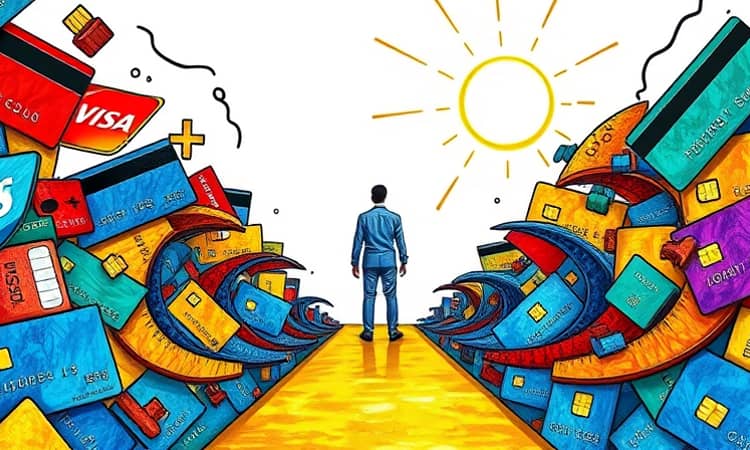
Carla stared at her pile of credit card statements, each arriving on a different day and demanding separate payments. The weight of multiple due dates and skyrocketing interest felt like an anchor holding her back. Yet, she discovered a path to relief and empowerment.
Through the right strategy and commitment, you too can transform overwhelming debt into manageable, single monthly payments that pave the way for a brighter future.
Understanding Debt Consolidation
Debt consolidation combines several high-interest balances into one new loan, offering lower interest rates and fixed term repayment. Instead of juggling multiple creditors, you focus on a single monthly payment that often reduces your total interest cost and simplifies your budget.
This approach does not erase debt—it reorganizes it. By condensing multiple minimum payments into one, you gain clarity, reduce stress, and can accelerate your journey toward becoming debt-free.
Core Benefits That Transform Your Finances
Embracing consolidation offers more than just convenience. It can be a catalyst for genuine financial progress.
- One monthly payment replaces several, easing your budgeting and bill-tracking burden.
- Lower cumulative interest means you keep more of your money and pay down principal faster.
- Fixed repayment schedule provides a clear payoff date, unlike revolving credit card minimums.
- On-time payments can boost your credit utilization ratio and strengthen your credit history.
- Remaining accounts current stops further damage from delinquencies or collections.
Navigating Potential Pitfalls
While consolidation can be a powerful tool, it carries some risks. Be mindful of origination fees or balance transfer charges, which typically range between 3% and 5% of the amount. A new loan often triggers a hard credit inquiry that may lead to a temporary score dip. Closing old cards might shorten your credit history or inadvertently raise your utilization ratio if balances linger elsewhere.
Promotional 0% interest periods on balance transfers usually expire after 12 to 21 months, and any remaining balance then accrues standard APR. Without disciplined spending habits, you may find yourself back at square one, adding charges to cards you thought were settled.
Choosing the Right Method for You
There are several paths to consolidation. Evaluate each based on your credit score, total debt, and tolerance for risk.
Personal debt consolidation loans are unsecured and offer fixed rates and terms from banks, credit unions, or online lenders. Approval hinges on your creditworthiness, but a solid score can unlock attractive interest rates.
Balance transfer credit cards offer 0% or low intro APR for a set period. These are ideal if you can pay off the balance before the promotional rate ends. Remember to factor in the balance transfer fee and avoid new purchases that accrue high interest.
Home equity loans or HELOCs tap your home’s value to secure a lower interest rate. Although rates are typically lower, you must weigh the risk of putting your property on the line if you miss payments.
Debt management plans (DMPs) involve working with a nonprofit credit counselor to negotiate reduced rates and fees. You make one consolidated payment to the agency, which then distributes funds to creditors. DMPs suit those with poor credit or substantial debt.
Step-by-Step to Consolidate and Take Control
Follow these steps to ensure a smooth consolidation process:
- Assess your situation: Pull free credit reports and list each balance, APR, minimum payment, and due date.
- Crunch the numbers: Compare potential savings, fees, and term lengths to confirm your new payment is affordable.
- Research and apply: Gather lender offers for loans or cards, then submit applications with necessary documentation.
- Pay off existing debts: Use the approved funds to clear your credit cards immediately.
- Manage accounts: Decide whether to close or keep old cards open for credit history, then set up autopay.
- Track your progress: Regularly review statements and adjust your budget to avoid overspending.
Alternatives When Consolidation Isn’t Feasible
If you don’t qualify for low-rate products or prefer not to consolidate, consider structured payoff strategies:
- Debt snowball method: Focus on paying off the smallest balance first and then roll that payment into the next target.
- Debt avalanche approach: Target the highest-interest balances to minimize total interest paid.
- Maintain minimum payments on all accounts and apply any extra funds to one debt at a time.
Long-Term Strategies for Sustainable Financial Health
Consolidation is just the beginning of a lasting transformation. Building sound financial habits is essential to avoid future debt traps. Start by crafting a realistic budget that accounts for all expenses and savings goals. Automate bill payments to maintain an unwavering on-time payment record and consider setting up a small emergency fund to cover unexpected costs.
Monitor your credit reports regularly to catch and dispute any errors. Keep your credit utilization below 30% by maintaining low balances and resisting the temptation to overspend on cleared cards.
Empowering Yourself with Knowledge
Understanding your options and staying informed are key to financial freedom. Utilize free resources such as annual credit reports, reputable credit counseling agencies, and online comparison tools to make confident decisions. Speak with a qualified advisor if you feel overwhelmed—sometimes an expert perspective can illuminate new strategies.
By taking proactive steps, you can replace anxiety with steady progress and transform debt from a looming burden into a mastered milestone. Your journey to financial clarity begins today—embrace the power of consolidation and build the future you deserve.