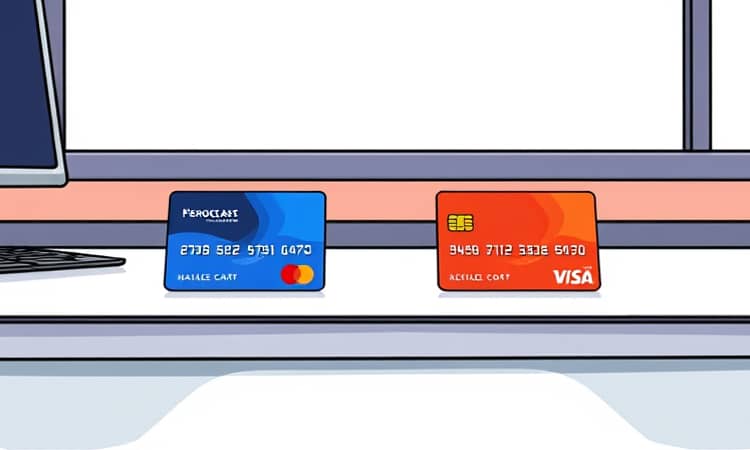
As a small business owner or entrepreneur, managing finances effectively is the cornerstone of sustainable growth and legal protection. financial stability and legal safeguards
Many people start by using personal credit cards for business expenses, but this practice can quickly spiral into chaos. serious risks and complications
This article delves into why maintaining a clear divide is not just a best practice but a necessity for your venture's success. essential for long-term prosperity
The Fundamental Divide: Business vs. Personal Credit Cards
Business credit cards are specifically designed to handle company-related expenditures, such as supplies, travel, and inventory. tailored for professional needs
Personal credit cards, on the other hand, are intended for individual use like groceries and entertainment.
This distinction might seem minor, but it forms the bedrock of sound financial management.
Ignoring it can lead to a host of problems that undermine both personal and business health.
Core Differences at a Glance
Understanding the key distinctions between business and personal credit cards is crucial. higher credit limits and better tools
Here is a comparison table to clarify these differences.
This table underscores why business cards offer superior advantages for operational efficiency.
Risks of Using Personal Cards for Business Expenses
Using a personal credit card for business can seem harmless, but it exposes you to multiple dangers. credit score impact and liability exposure
- Credit utilization accounts for 30% of your credit score, and large business purchases can spike it dramatically.
- Limited credit limits may hinder growth, forcing you to tap into personal resources unnecessarily.
- Full personal liability means business debts can put your home or savings at risk in lawsuits.
- Tax errors become common, as separating expenses manually is prone to mistakes and audit red flags.
- Reimbursement hassles can lead to taxable income without proper documentation, complicating finances.
- Damaged credibility with lenders and investors signals poor financial management, hurting future opportunities.
These risks are not just theoretical; they have real-world consequences that can derail your business.
Risks of Using Business Cards for Personal Expenses
Conversely, using a business card for personal spending is equally perilous. tax fraud penalties and legal issues
- Tax fraud penalties include back taxes, interest, and fines for deducting personal charges as business expenses.
- IRS or CRA compliance issues arise from mixed statements, increasing audit risks significantly.
- Piercing the corporate veil can occur in LLCs or corporations, exposing personal assets to business liabilities.
- Accounting errors become frequent, blurring profitability and making financial statements unreliable.
- Violation of issuer terms may lead to card cancellation or legal action, disrupting cash flow.
This practice undermines the very protections that business structures are designed to provide.
Legal and Liability Protections of Separation
Maintaining separate accounts is a powerful shield against legal threats. asset protection in lawsuits
It helps prove business legitimacy, distinguishing your venture from a mere hobby.
Avoiding commingling of funds ensures that personal assets remain safe in bankruptcy or litigation.
This separation is critical for all business structures, from sole proprietorships to corporations.
Tax and Accounting Implications
Mixing expenses creates red flags for audits by tax authorities like the IRS or CRA. complicates deductions and tracking
Personal charges are non-deductible, and proving otherwise requires meticulous record-keeping.
Using software like QuickBooks or Expensify can automate tracking, but only with separate cards.
- Manual separation is time-consuming and error-prone, leading to missed write-offs.
- Clear records simplify tax prep, ensuring you claim all legitimate deductions without hassle.
- Regular audits become smoother, as statements reflect pure business activity, reducing scrutiny.
This clarity saves hours of work and minimizes stress during tax season.
Building Business Credit and Enabling Growth
Separate business credit cards are essential for building a robust business credit profile. protects personal credit score
They enable higher credit limits, which are crucial for expansion, inventory purchases, or emergency funds.
This growth potential is often stifled when relying on personal cards with lower limits.
- Business credit scores improve with responsible use, opening doors to loans and better terms.
- Personal scores remain unaffected by business fluctuations, preserving your financial health.
- Higher limits support scalability, allowing you to seize opportunities without personal risk.
Investing in business credit is a strategic move for long-term success.
Employee and Spend Management Features
Business cards come with tools that enhance operational control. issue cards with limits and generate reports
You can set budgets, categories, and spending caps for employees, reducing fraud and misuse.
Software integrations provide real-time insights, making expense management efficient and transparent.
- Employee cards with custom limits empower your team while maintaining oversight.
- Automated reports streamline accounting, saving time and reducing errors.
- Spend controls help enforce policies, ensuring funds are used appropriately for business goals.
These features are unavailable with personal cards, limiting your ability to manage growth effectively.
Public Perception and Professionalism
How you handle finances impacts how others view your business. undermines trust with clients
Mixing expenses signals poor separation, eroding credibility with partners, lenders, and investors.
It can hurt loan applications and investment opportunities, as financial disarray raises red flags.
Maintaining professionalism through separate accounts builds confidence and fosters stronger relationships.
Practical Steps for Achieving Separation
Transitioning to separate spending doesn't have to be overwhelming. open dedicated business accounts
Start by opening a dedicated business credit card and bank account exclusively for company use.
Create a receipt system and set personal boundaries to avoid overlap.
- Begin with new and recurring business expenses on the business card, gradually phasing out personal use.
- Use bookkeeping software for auto-imports, reducing manual work and errors.
- Set monthly budgets for both personal and business spending to maintain discipline.
- Label cards clearly to prevent accidental misuse, reinforcing the separation habit.
- Regularly review statements to ensure compliance and adjust strategies as needed.
This systematic approach can lead to full separation in just a few months.
FAQs and Common Myths
Many misconceptions surround the use of credit cards for business. legal but not recommended
Here are some key points to clarify common doubts.
- Can you use personal cards for business? Legally, yes, but it's not recommended due to the risks outlined.
- Deduction rules: Expenses must be ordinary and necessary for the business, but proving this is harder with mixed cards.
- Need for separate cards: Highly advisable for all business structures to protect assets and simplify management.
- Sole proprietors: Still benefit from separation for tax trails, even with less liability shield.
- Personal guarantees: Common on business cards, so owners remain liable if the business defaults, but spending is still separate.
Busting these myths helps you make informed decisions for your financial health.
Embrace the practice of separating personal and professional spending to unlock greater stability and growth.
Your business deserves the clarity and protection that comes with dedicated financial tools.