Imagine a world where investing in a luxury apartment or a rare painting is as simple as tapping your smartphone. This is the transformative power of asset tokenization, a technological leap that is reshaping how we think about wealth and ownership.
By converting rights to assets into digital tokens on a blockchain, this innovation offers unprecedented financial inclusion and opens doors that were once reserved for the elite.
It represents a shift towards a more democratic and efficient financial ecosystem, where anyone can participate in markets previously out of reach.
In this article, we will explore how asset tokenization works, its profound benefits, and the practical steps you can take to leverage this emerging trend for your financial future.
Prepare to be inspired by a future where investment knows no bounds.
The Digital Revolution: Understanding Asset Tokenization
Asset tokenization is the process of digitizing ownership or stakes in assets, whether physical or intangible, into tokens on a blockchain.
These tokens can be fungible, like digital currency, or non-fungible, representing unique items such as art or collectibles.
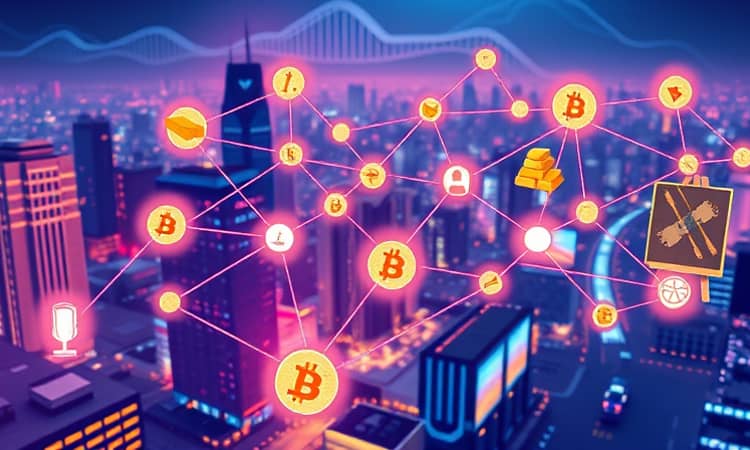
This concept applies to a wide range of assets, from real estate and gold to stocks and intellectual property, enabling seamless trading and management.
By leveraging blockchain technology, tokenization ensures immutable and transparent records, reducing fraud and enhancing trust in financial transactions.
It is not just a technical upgrade but a fundamental reimagining of asset liquidity and accessibility.
How Tokenization Works: A Practical Guide
The tokenization process involves several key steps that ensure legal compliance and operational efficiency.
- Identify the asset and assess regulatory requirements to avoid legal pitfalls.
- Select a suitable blockchain platform that aligns with your goals, such as Ethereum or others.
- Define token features, including whether they are fungible or non-fungible, and their intended use.
- Appraise the asset's value accurately to determine token pricing and issuance.
- Use smart contracts to automate token issuance, management, and trading on digital marketplaces.
Additional measures like secure custody for physical assets and third-party audits further bolster security and reliability.
This streamlined approach consolidates multiple financial layers, enabling execution in seconds rather than days.
Unlocking Benefits: Why Tokenization Matters
The advantages of asset tokenization are vast, offering tangible improvements over traditional methods.
- Enhanced liquidity and fractional ownership allow investors to buy small shares in illiquid assets like real estate or art.
- Accessibility is increased, lowering entry barriers and enabling smartphone-based investing in emerging markets.
- Efficiency gains come from automating processes, cutting intermediaries, and reducing costs significantly.
- Transparency is ensured through an immutable ledger that serves as a single source of truth.
- Customization features let investors tailor portfolios and automate functions like capital calls.
- Diversification opportunities appeal to high-net-worth individuals seeking better yields and risk management.
These benefits collectively democratize finance, making it more inclusive and responsive to modern needs.
Market Insights: The Future is Tokenized
The growth trajectory for tokenized assets is staggering, with projections pointing to a multi-trillion-dollar market in the coming years.
Investor interest is soaring, with a significant portion of institutions and high-net-worth individuals planning to increase their allocations.
Major players like JPMorgan and BlackRock are investing heavily, signaling strong institutional momentum and validation of this technology.
This table highlights key comparisons between tokenized and traditional investing, illustrating the transformative impact:
This shift is not just incremental; it represents a paradigm change in how assets are managed and traded globally.
Examples in Action: Tokenizing Diverse Assets
Tokenization is already being applied to a variety of assets, showcasing its versatility and potential.
- Real estate properties, enabling fractional ownership of commercial or residential buildings.
- Art and collectibles, where unique pieces are represented as non-fungible tokens for easy trading.
- Gold and other precious metals, providing digital access to physical commodities.
- Stocks, bonds, and private equity funds, streamlining investment in financial instruments.
- Intellectual property like patents, unlocking value from intangible assets.
These examples demonstrate how tokenization can bridge the gap between traditional and digital economies, offering new avenues for wealth creation.
Overcoming Hurdles: Challenges and Solutions
Despite its promise, tokenization faces challenges that need to be addressed for widespread adoption.
- Legal and regulatory compliance varies by jurisdiction, requiring careful navigation of securities laws.
- Practical limitations exist for direct ownership of some assets, often mitigated through mirroring techniques.
- Reliability of offchain data and oracles is crucial for accurate asset valuation and verification.
- Risks include potential fraud if systems are not properly decentralized, and regulatory frameworks are still evolving.
However, ongoing innovations and industry efforts are tackling these barriers, making tokenization more robust and accessible over time.
Institutional Momentum: Leading the Charge
The push towards tokenization is being driven by major institutions and industry leaders, underscoring its credibility and future potential.
- JPMorgan and Bain have published research highlighting the multi-billion-dollar revenue opportunities.
- Custodians are rapidly adopting tokenized services, with over 60% already offering such solutions.
- High-net-worth individuals are increasingly allocating to alternatives, with many planning to boost investments in tokenized assets.
- This institutional backing is accelerating the integration of tokenization into mainstream finance, reshaping capital flows and market dynamics.
Their involvement provides a solid foundation for growth and inspires confidence among individual investors.
Embracing the Tokenized Future: A Call to Action
Asset tokenization is more than a trend; it is a fundamental shift towards a more inclusive and efficient financial world.
By understanding its mechanisms and benefits, you can position yourself to take advantage of emerging investment opportunities.
Start by educating yourself on blockchain basics and exploring tokenized platforms that align with your interests.
Consider diversifying your portfolio with fractional shares in assets that were previously inaccessible, and stay informed about regulatory developments.
The journey towards a tokenized economy is just beginning, and by embracing it, you can play a part in shaping a brighter financial future for all.