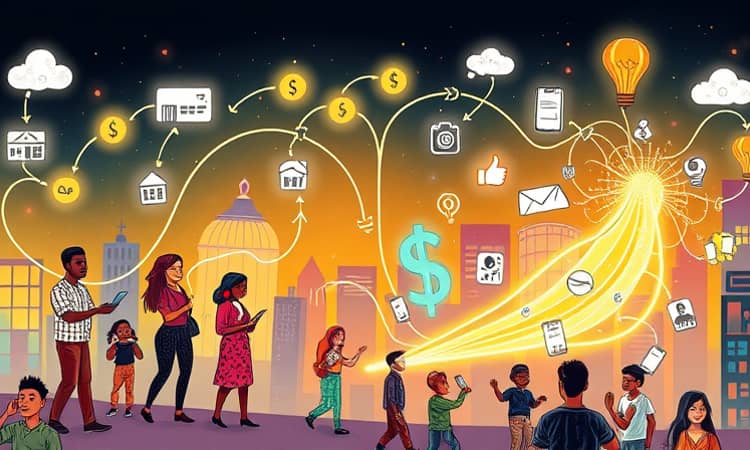
In an era where financial access means empowerment, credit scoring is evolving beyond the confines of traditional bureau reports. Alternative credit scoring harnesses a wealth of overlooked data, opening doors for millions who once remained on the fringes of lending.
Understanding Alternative Credit Scoring
Traditional models like FICO and VantageScore rely heavily on credit bureau data: payment history, credit utilization, length of history, account mix, and new credit inquiries. While effective for many, these frameworks exclude an estimated 49 million American consumers—the “credit invisible” and “thin-file” populations.
Alternative credit scoring changes the narrative by incorporating non-traditional inputs such as rent and utility payments, mobile usage, transaction histories, and even device intelligence. Armed with machine learning and AI, these dynamic models deliver holistic real-time credit assessments that adapt to evolving behavior patterns.
Key Data Sources and Innovations
By expanding the data universe, lenders gain deeper insights into an individual’s financial habits and reliability. Core sources include:
- Payment-related data: Rent, utilities, cable TV, and mobile phone bills tracked for consistency
- Digital and behavioral data: Online shopping patterns, social media engagements, app usage metrics
- Transaction histories: Bank deposits, withdrawals, transfers, and digital wallet activity
- Device intelligence: Smartphone and computer usage behaviors signaling stability
- Public records and permissioned data: Education, occupation, and authorized third-party feeds
Blending these inputs through advanced algorithms fosters machine learning-driven decision frameworks capable of spotting subtle indicators of creditworthiness.
Benefits and Impacts
The shift to alternative data unlocks profound advantages for consumers, lenders, and society at large.
- Financial Inclusion and Market Expansion: Serves tens of millions of previously unscorable individuals, including young adults, minorities, and low-income communities.
- Improved Accuracy and Risk Assessment: Enhances default prediction by leveraging continuous behavior signals rather than static historical snapshots.
- Adaptability and Innovation: Evolves with economic changes, supporting rapid lending decisions in competitive markets.
By reducing traditional biases and tapping into financially underserved and credit-invisible populations, lenders can foster equality and trust, while consumers enjoy faster approvals and fairer terms.
Comparing Traditional and Alternative Models
Overcoming Challenges and Risks
Despite its promise, alternative scoring carries responsibilities. Ethical data use and rigorous privacy safeguards must accompany every innovation. Without transparency, models risk perpetuating biases against marginalized groups.
Key considerations include:
- Ensuring consumer consent and data permission
- Mitigating digital access disparities for rural or low-income households
- Complying with regulatory standards such as CFPB guidelines
By embedding ethical and transparent practices into every stage, stakeholders can build trust and sustain long-term growth.
Practical Steps for Stakeholders
Turning theory into action requires collaboration across the financial ecosystem. Here are practical steps for each player:
- Lenders: Partner with alternative data providers, pilot AI-driven scoring systems, and integrate real-time dashboards for continuous monitoring.
- Consumers: Link authorized accounts, maintain consistent rent and utility payments, and monitor digital footprints to showcase financial responsibility.
- Policymakers: Update regulations to recognize alternative data sources, incentivize innovation, and safeguard consumer rights.
Adopting these measures will foster a more inclusive and resilient credit environment, driving sustainable economic growth.
Conclusion
Alternative credit scoring heralds a new chapter in financial inclusion. By embracing non-traditional data and advanced analytics, the industry can unlock the potential of millions, transforming credit from a gatekeeper into a bridge to opportunity.
As we champion innovation, let us remain guided by fairness, transparency, and empathy, ensuring that every individual—regardless of background—can access the credit they deserve and build a brighter financial future.